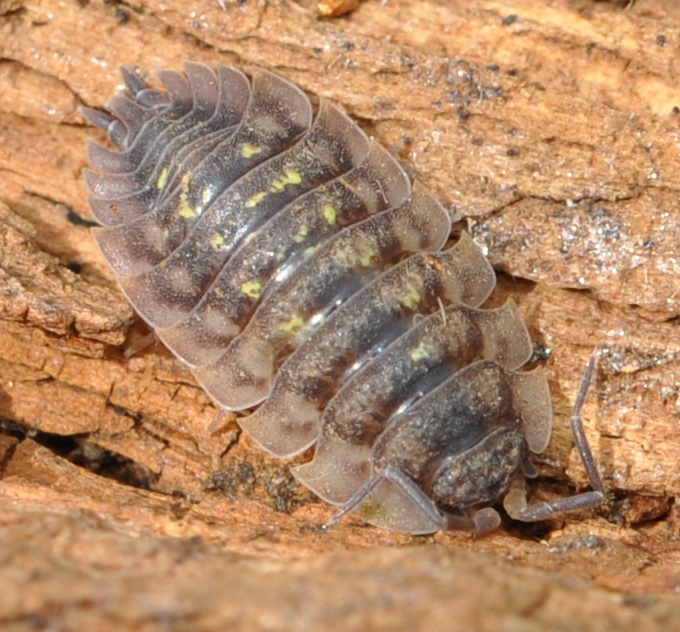
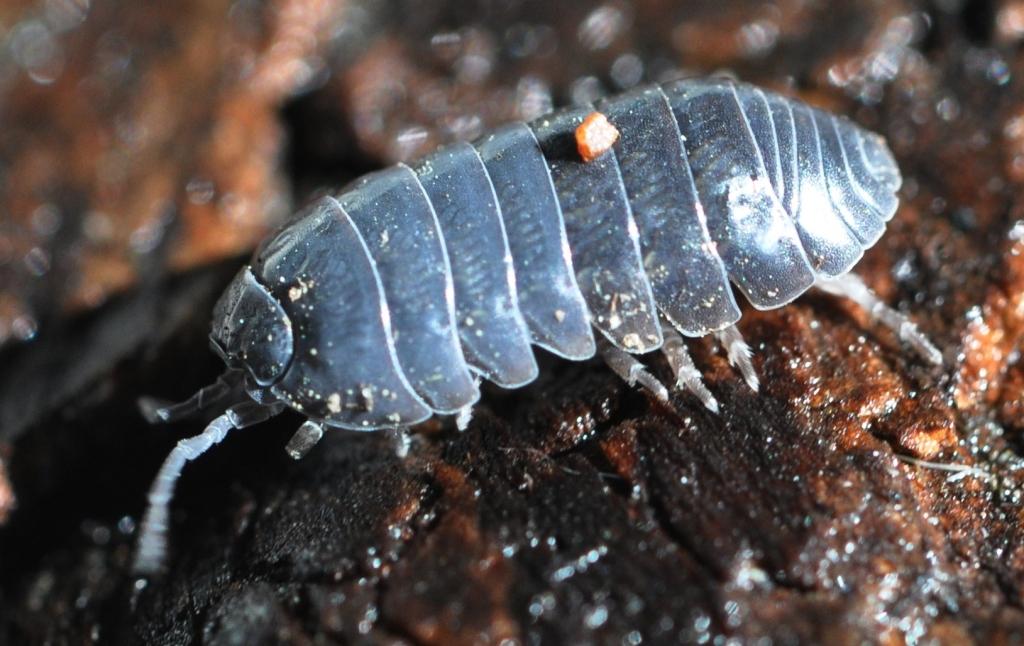
Note the flared out segments of the sow bug on the left vs the more rounded body of the pill bug.
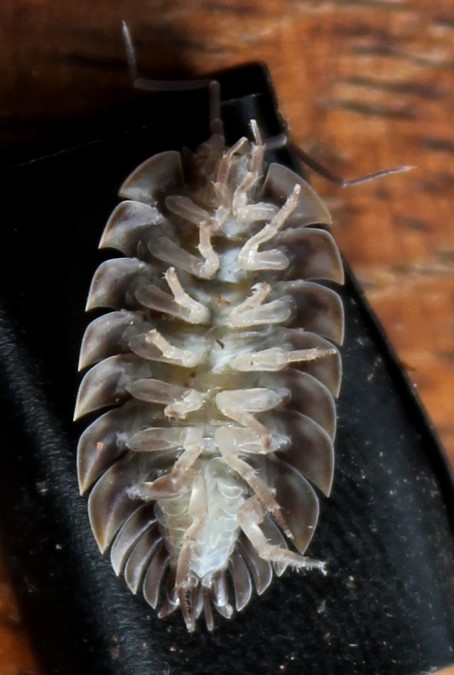
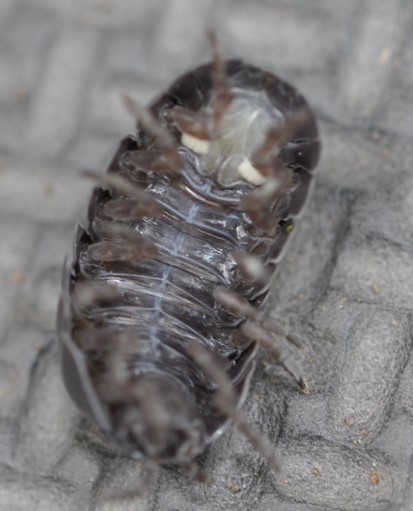
Some correction here from the earlier post thanks to feedback from an alert reader. Thanks, Victoria! With their similar appearances Sow Bugs and “Roly Polys” are often mistaken as the same species. Although both are crustaceans related to crabs and crayfish, there are distinct differences upon close inspection. But if you don’t happen to have a magnifying glass or macro lens handy one particular behavior will distinguish them. “Roly Polys” or Pill Bugs, Armadillium vulgare, roll up into a ball when frightened. Sow bugs, Oniscus aselus, do not display this behavior. Sow bugs also have a more armored carapace that is slightly flattened out at the edges. They do have a some other similarities, though. Both breathe through modified gills, both feed on decaying plant and animal material, and both are European imports. Those modified gills, by the way, do not do well in dry conditions. And in case you ever wondered what they look like under there – now you know!
References:
“Bugs of Washington” by John Acorn
“Invertebrate Zoology” Rupert and Barnes, 6th edition
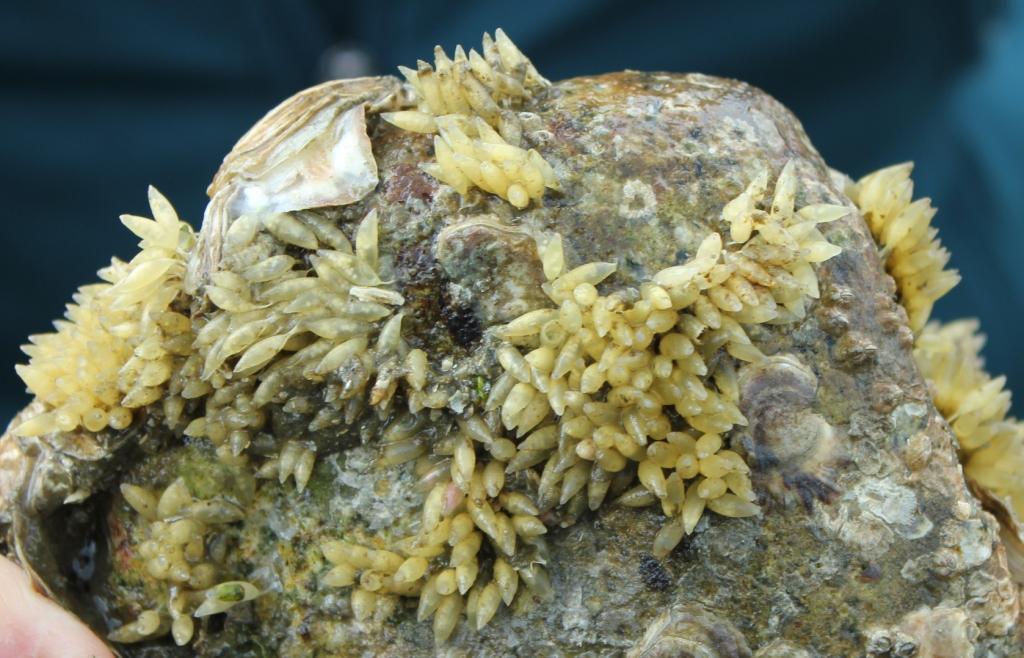
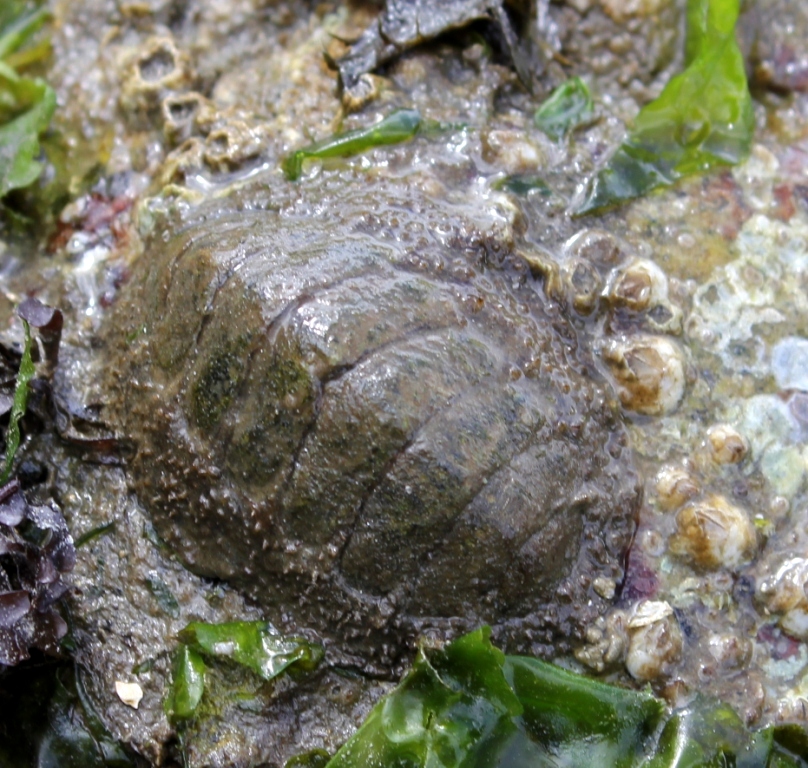
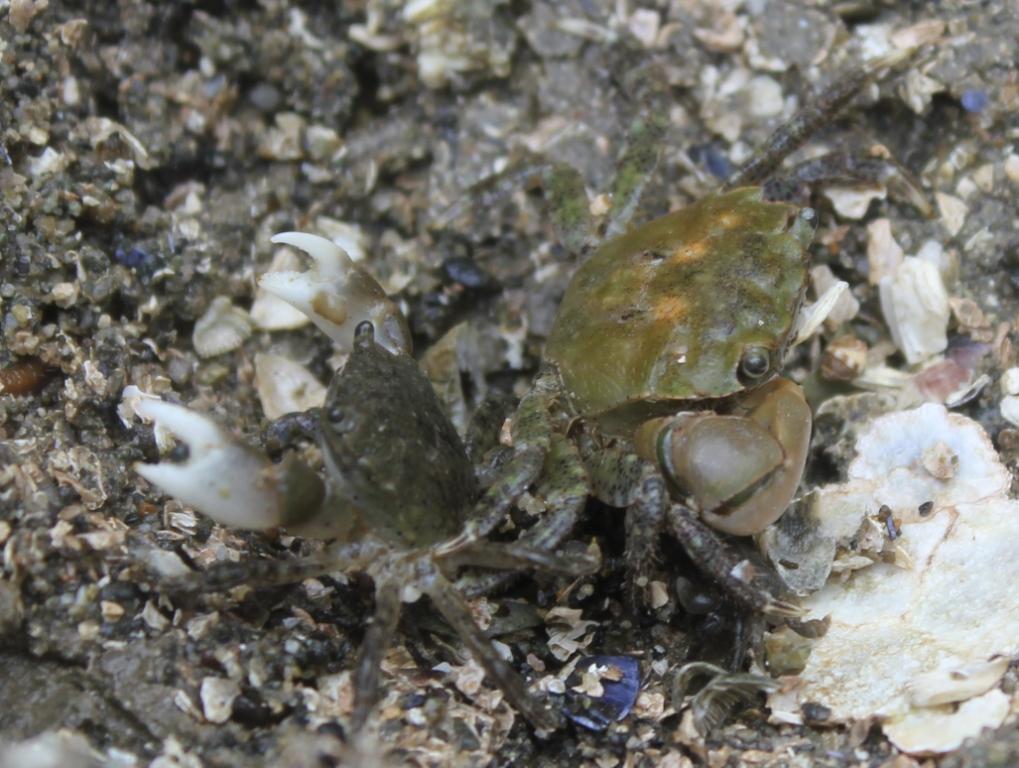
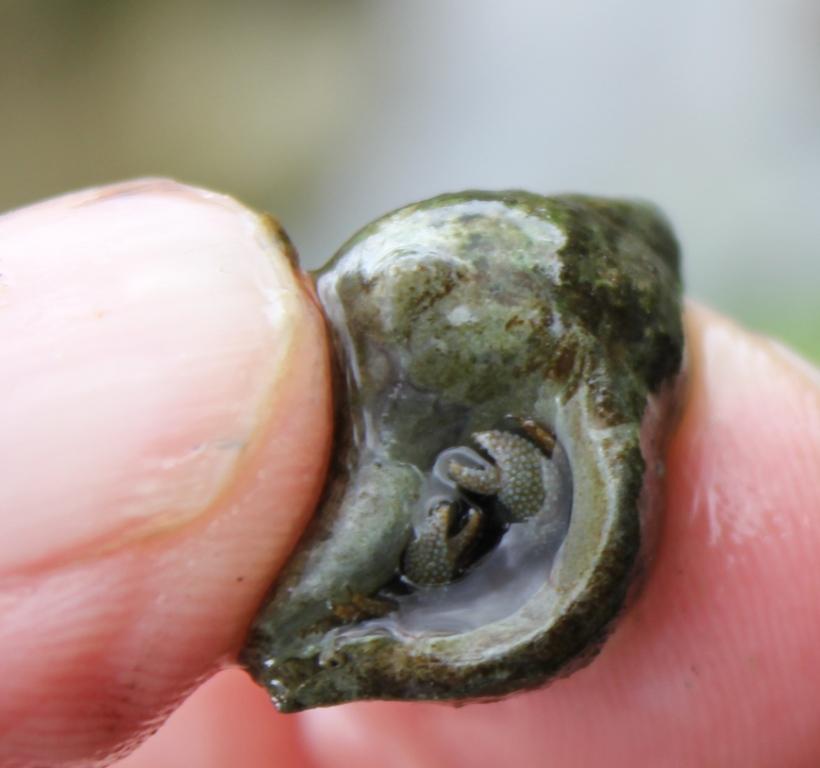
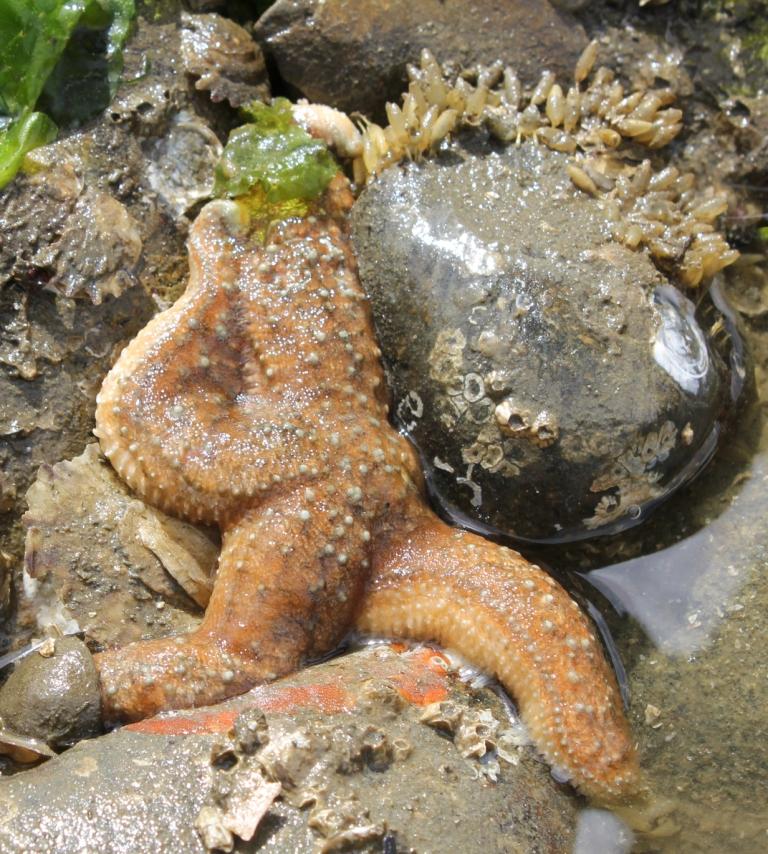
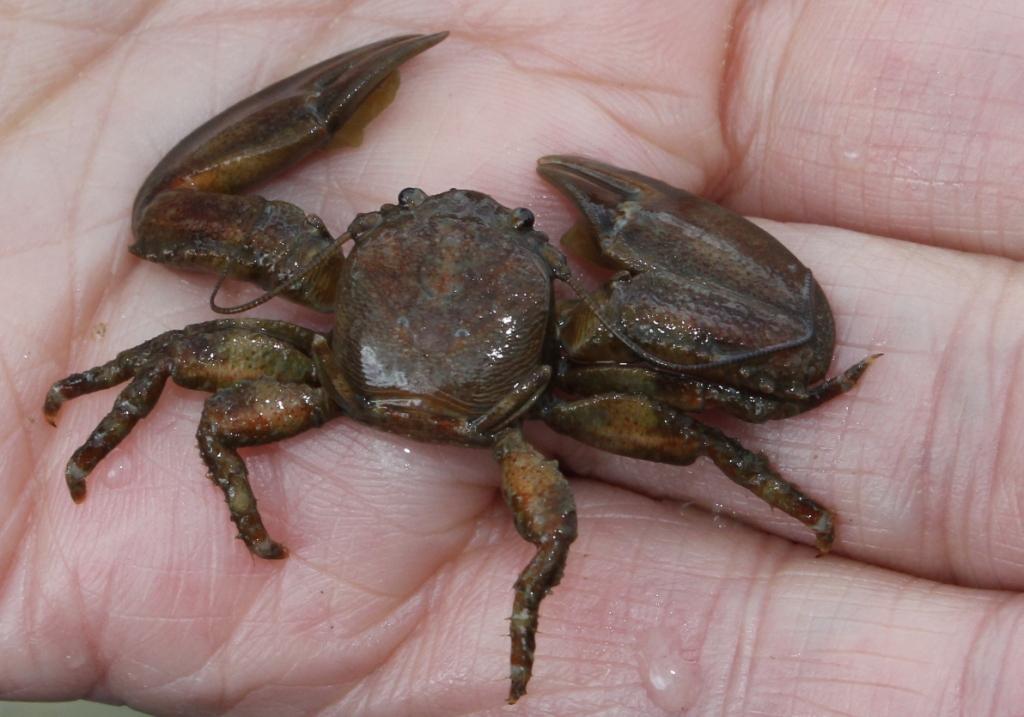
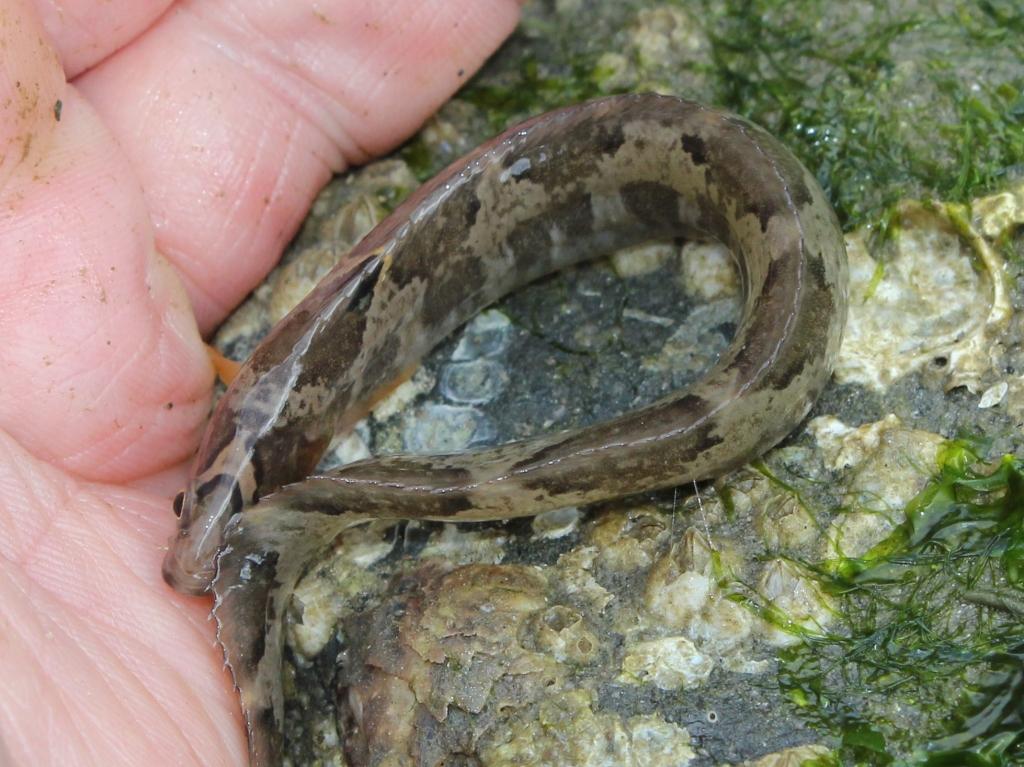
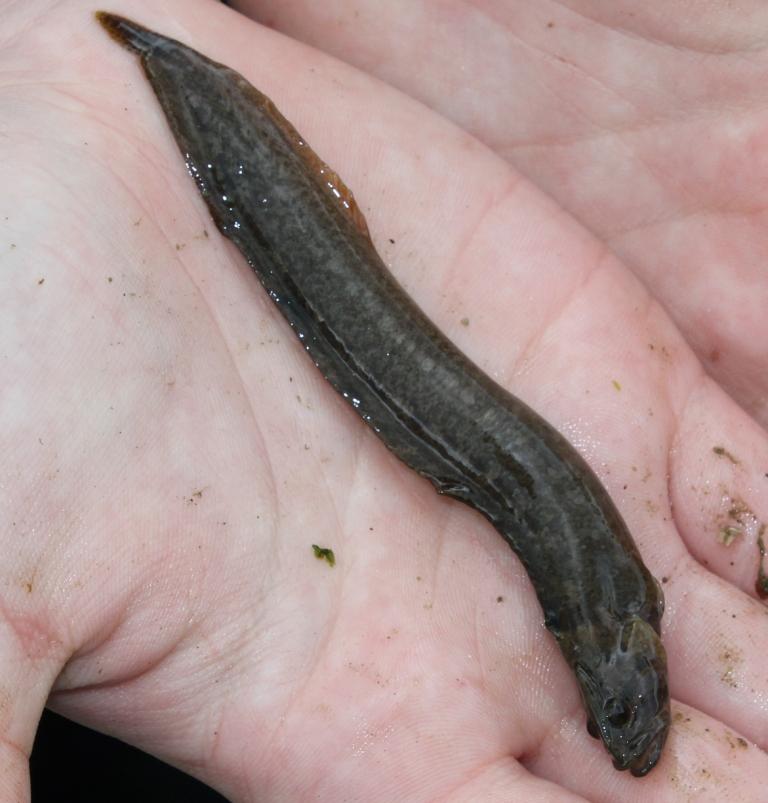
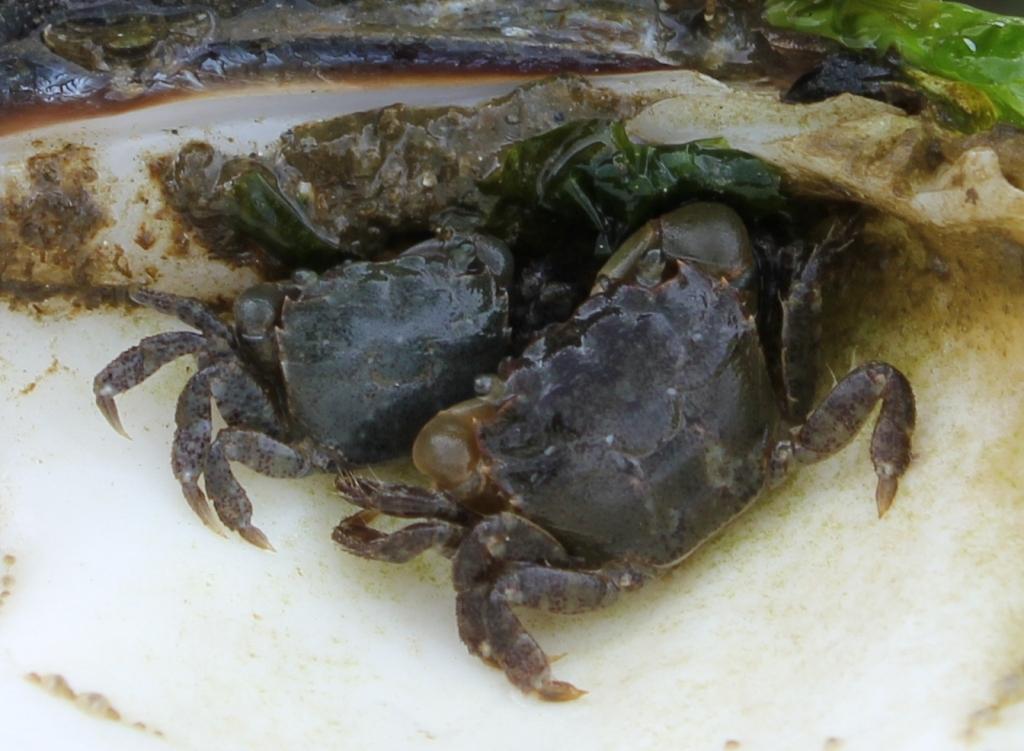
We took a stroll along one of our Pacific beaches over the weekend. Kitsap Memorial State is a beautiful park is just north of Bremerton, WA. It’s rocky shoreline is loaded with oysters and an enormous variety of seashore wildlife. Here’s a sample:
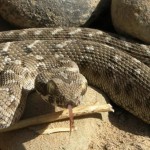
Well maybe not tigers but we have been seeing mountain lions and bears here in the great Northwest. I was attacked by a cougar in a zoo I worked in so I can personally attest to what that feels like – and it ain’t good. Despite a couple of close encounters so far the bears have left me alone.
A note to all to all of you bogus robo subscribers using the latest and most ridiculous @dod.bytom.pl “email” account – don’t bother. You are automatically deleted. Same for the rest of you morons who think you’re slick with these idiotic techniques.
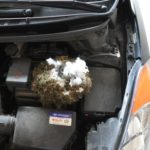
This is a trifle embarrassing but since it is wildlife related I went ahead with the post. The other day I noticed an odd sound while driving. It seemed to occur whenever I made a sharp turn or stop, so I assumed it was just some loose something or other rattling around my auto. It kept happening, however. When the rattle scratch noise continued after my car came to a complete stop I suspected rodentia mischief. That night I checked the car thoroughly but found nothing – until I popped the hood:
Amazing! That little mouse had to have been riding back and forth to work with me for quite some time. I guess the wee thing found a warm winter spot and decided to hang on.
I spent a bit of time in Little Rock recently at the National Guard Professional Training Center (PEC) at Camp Robinson. Me being me I strolled about the camp keeping an eye out for the local wildlife. And, of course, I found some great examples of Arkansas natural history.
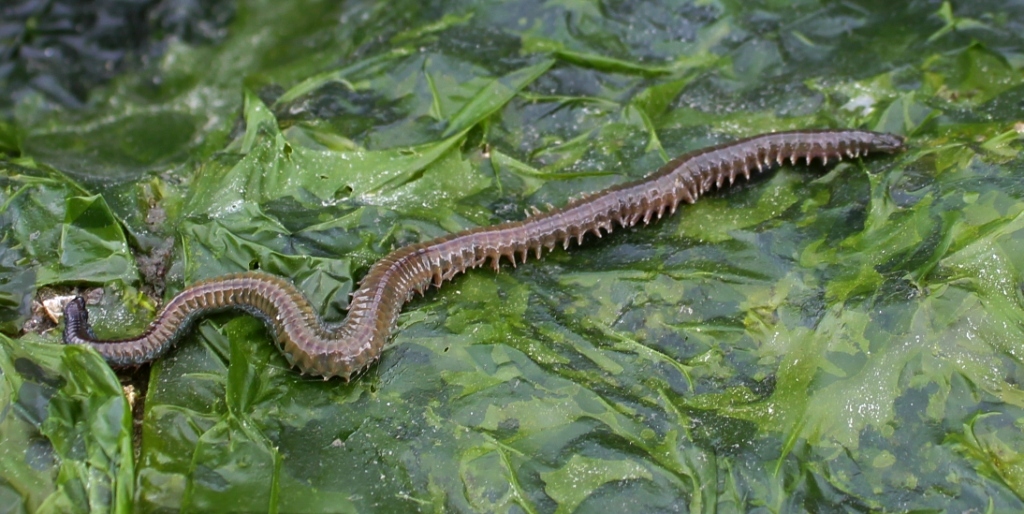
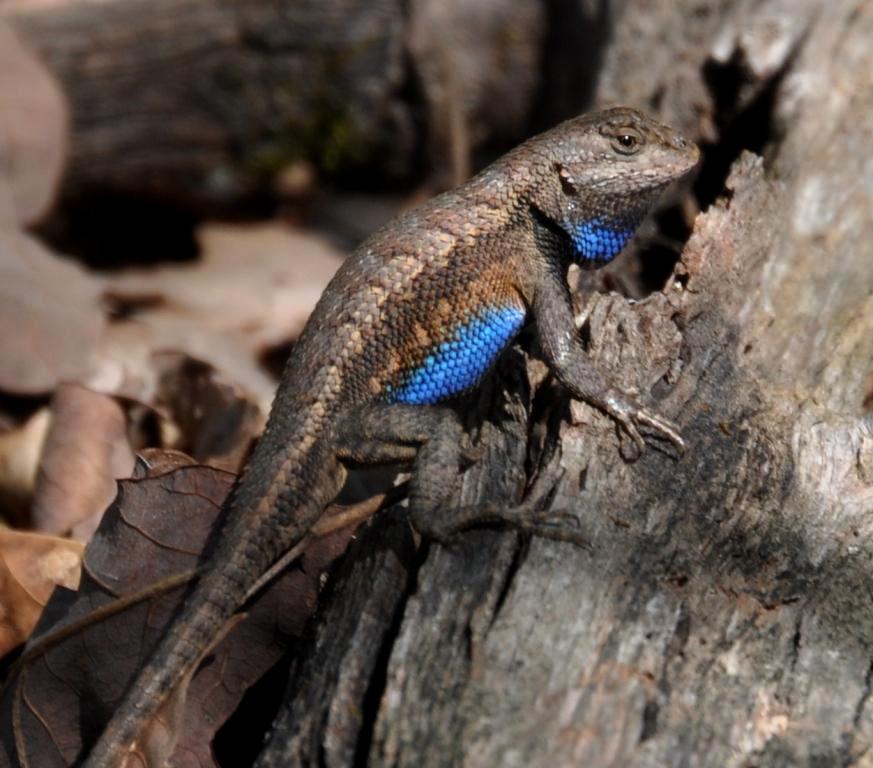
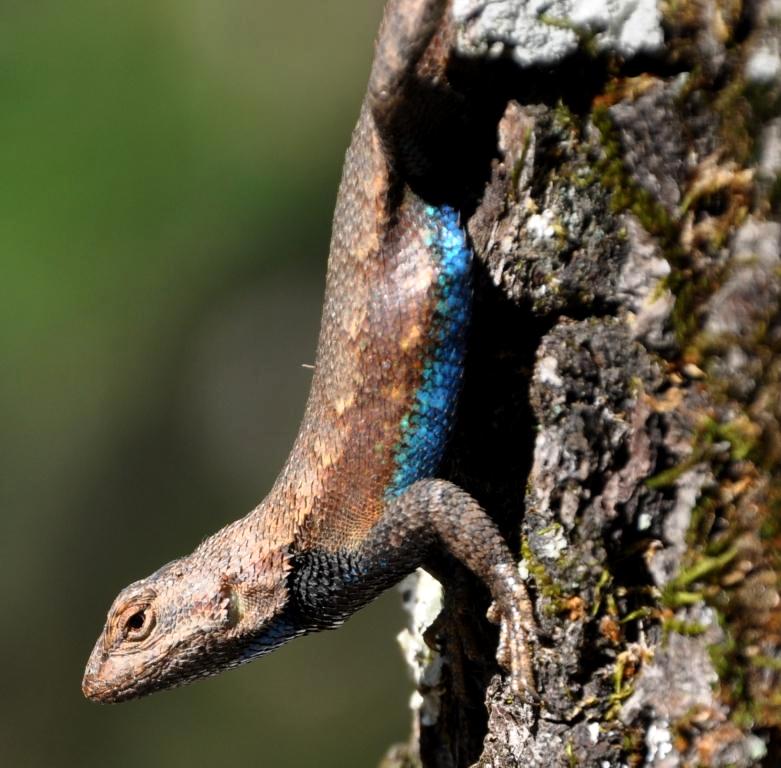
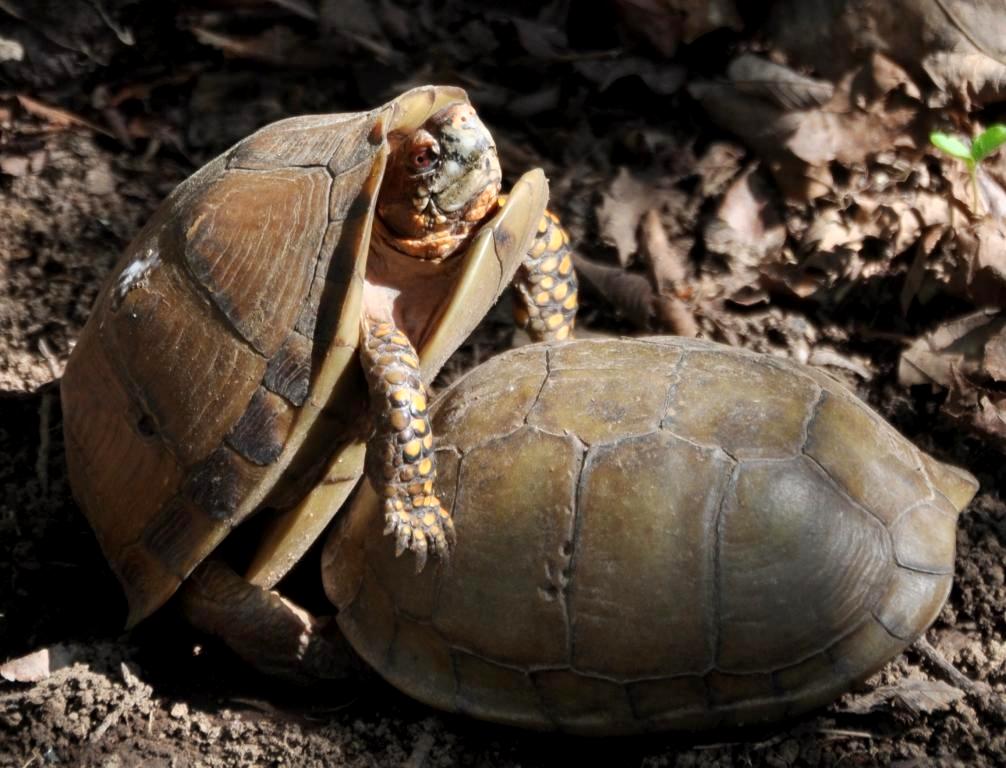
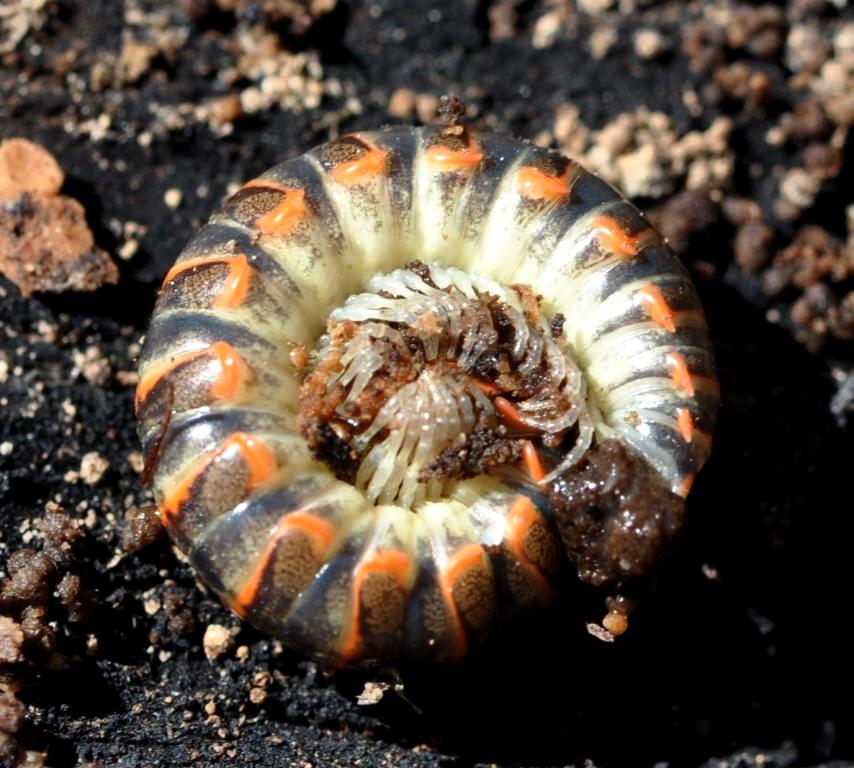
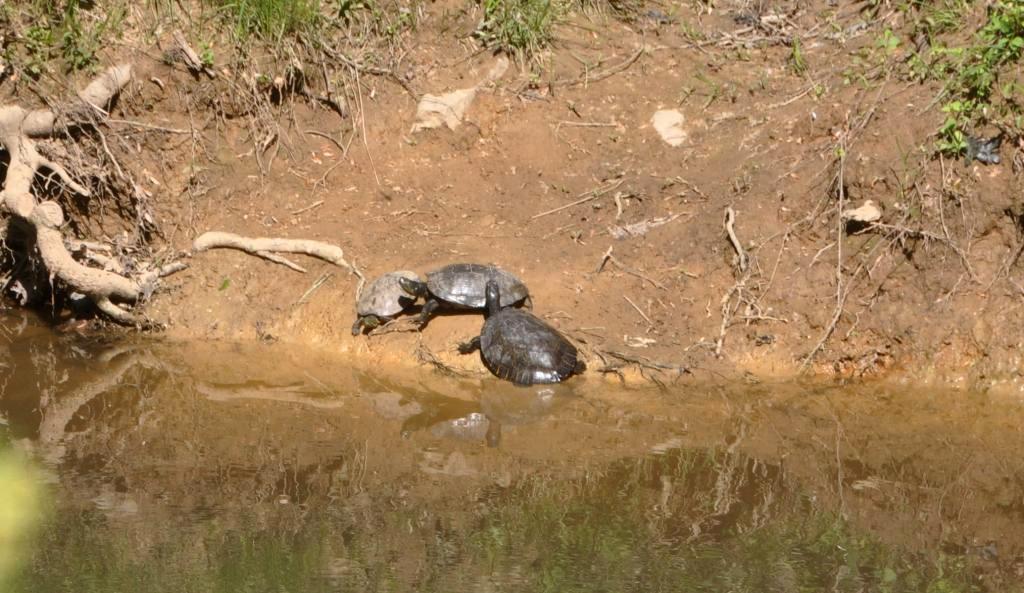
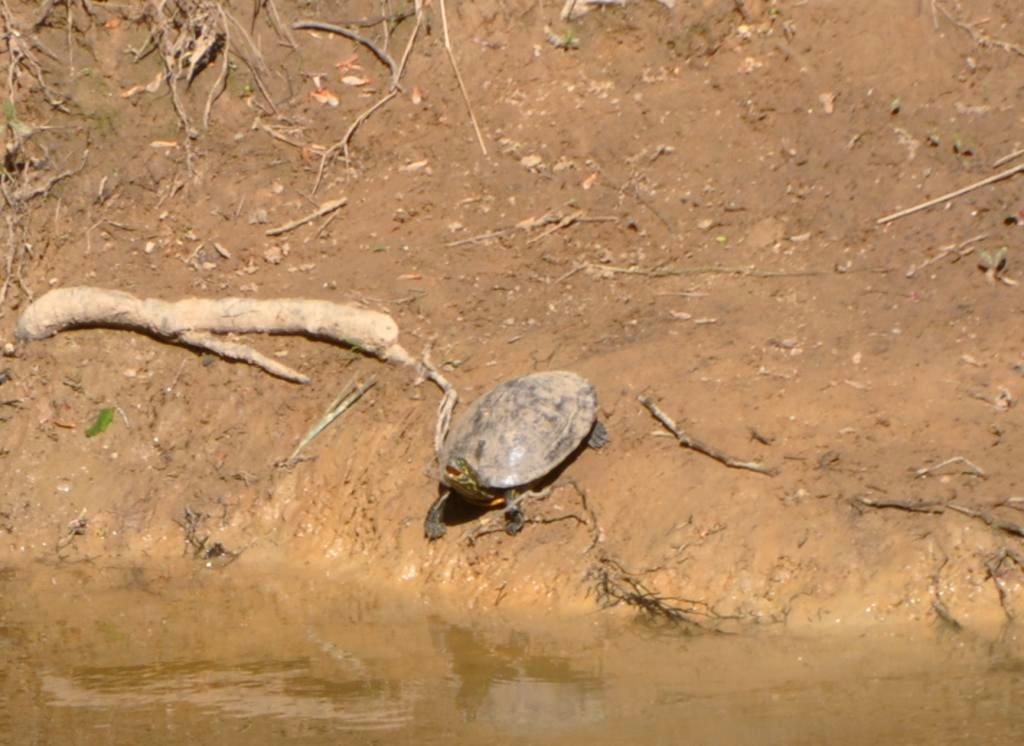
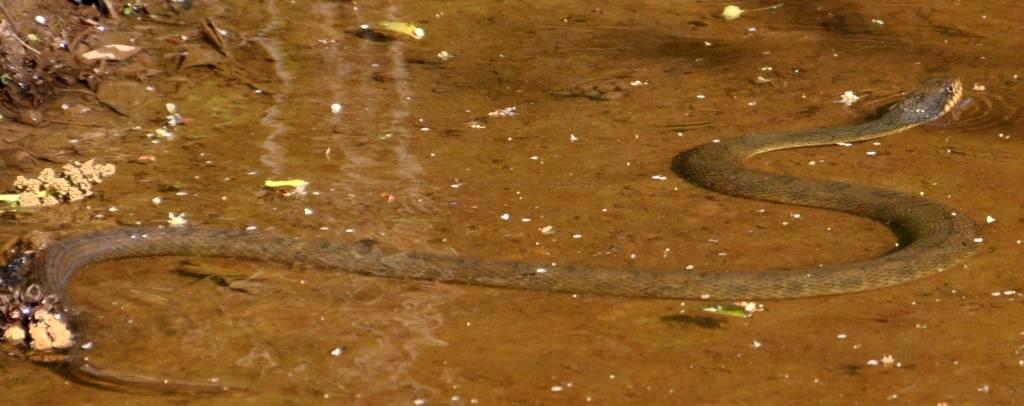
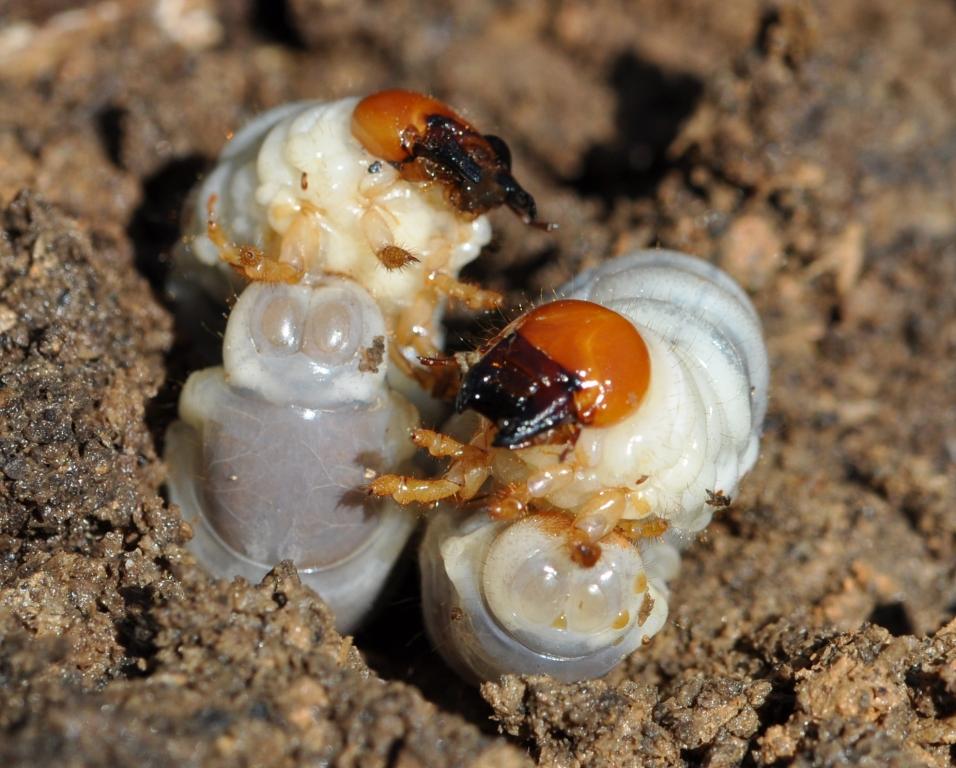
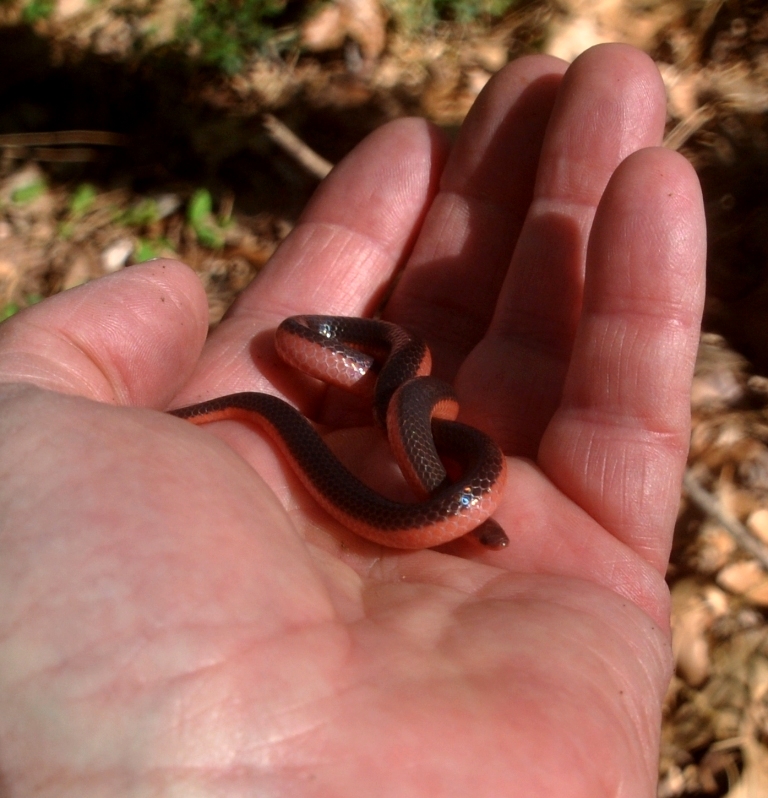
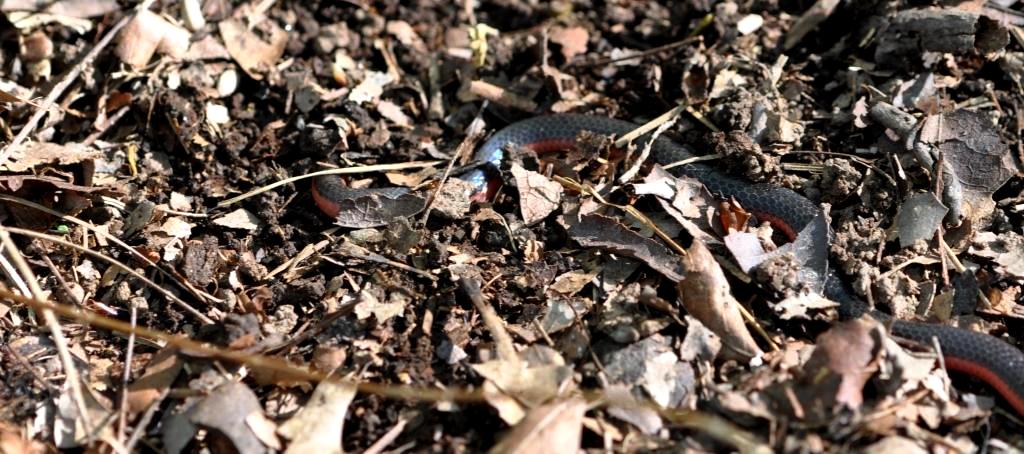
I am always fascinated by the variety of wildlife that exists right under under our nose. It did not take much effort to find these beautiful animals on Camp Robinson. Military posts, by the way, are great places for wildlife. The prairie lizard is a common, dull colored species but the males display a brilliant turquoise color. Box turtles are often encountered but catching a mating pair is a treat. I love millipedes and this beautiful orange and black specimen caught my eye. I believe the turtles on the muddy bank are painted turtles but they slipped into the water before I could get a precise picture. To the best of my ability to identify it the large snake is a swamp snake, relatively rare in Arkansas. Grubs are hardly everyone’s favorite animal but these big white ones are exceptional. Half the size of my index finger they are the biggest grubs I’ve ever seen. The find of the day, however, was the western worm snake! I’ve been reading about these snakes and wanting to catch one for years. They are tiny little things, normally burrowed or hiding underground so finding this guy under a log was a stroke of luck.
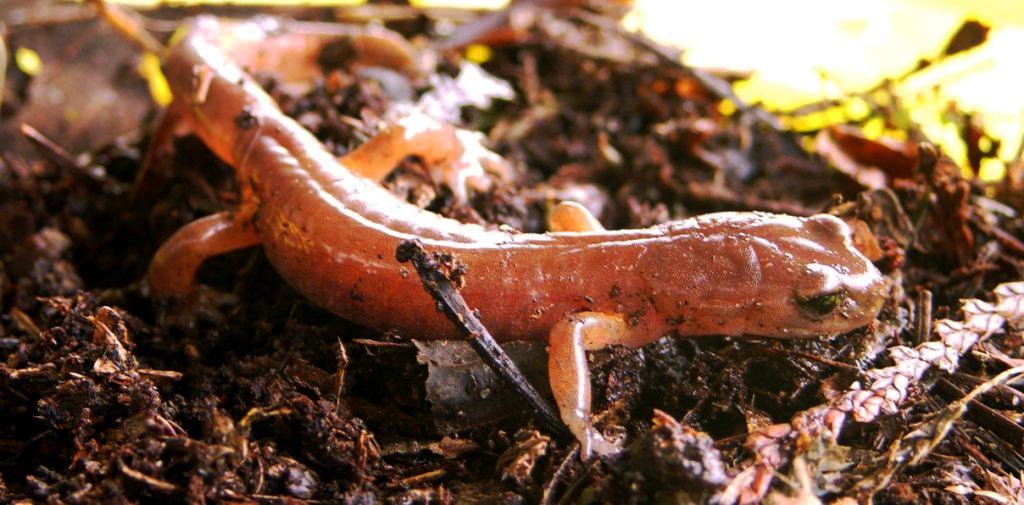
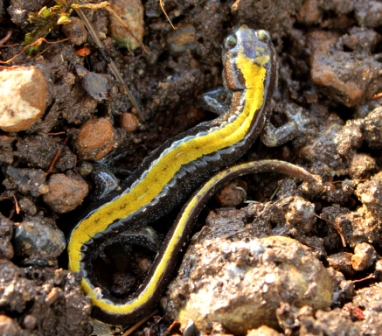
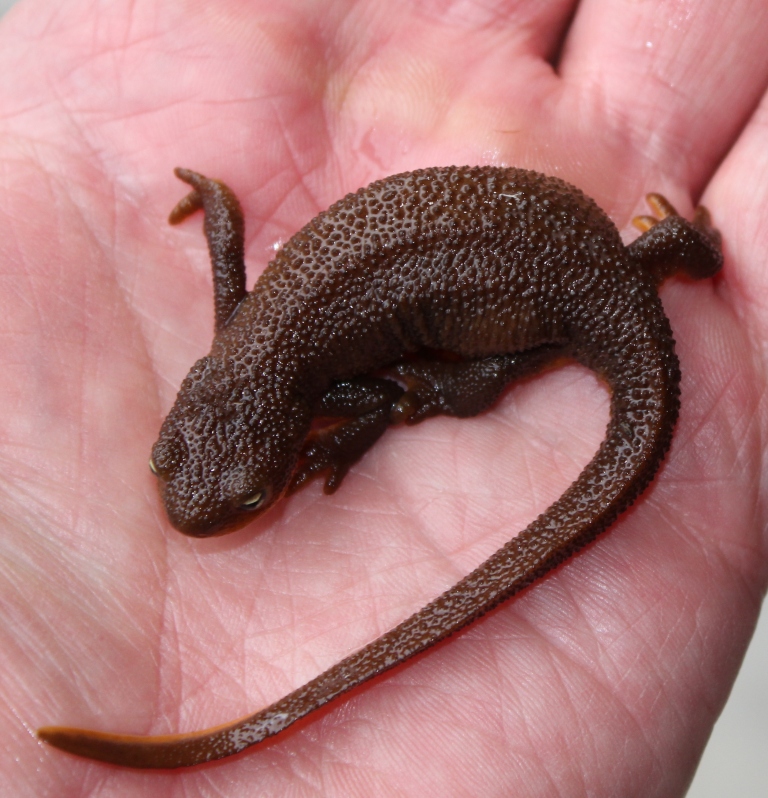
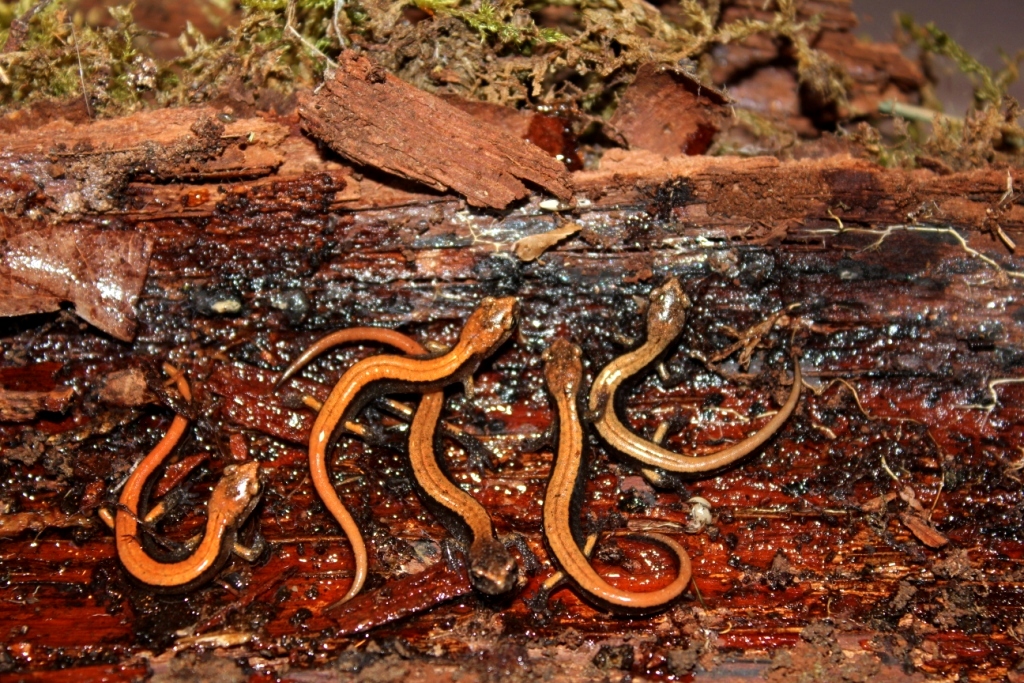
It’s one of my favorite times of the year and one of my favorite animals. For the most part they live mysterious, unseen, secretive lives. But if you creep around enough damp places and turn over enough rocks and logs you’re treated to a wildlife wonder:
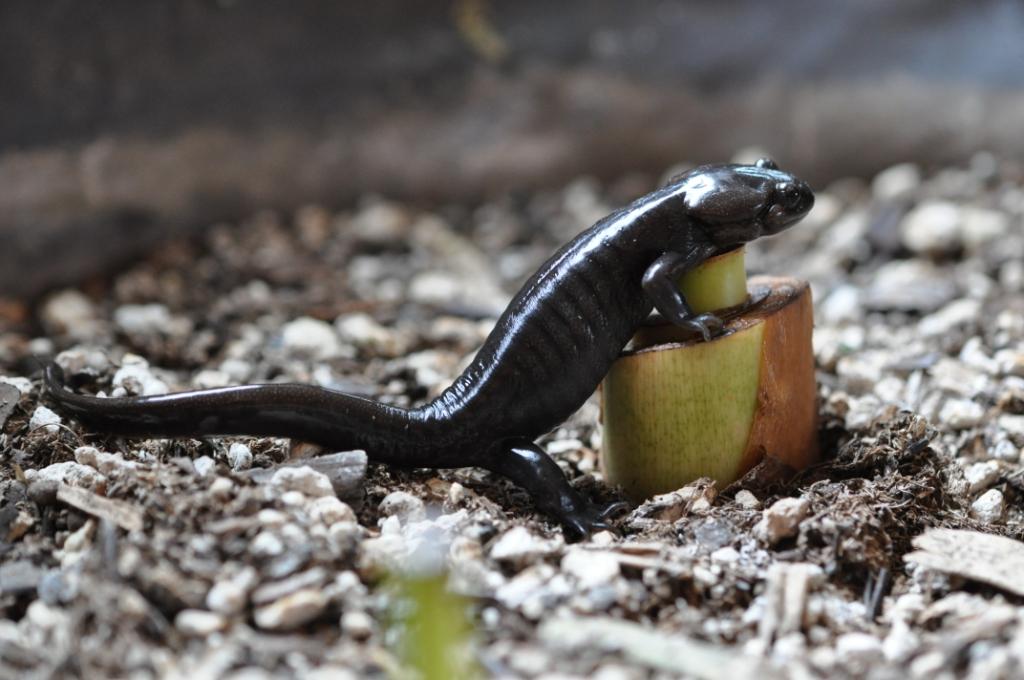
Although you can see them just about all year round here 60 – 70 degree spring weather is ideal. Sometimes you come upon a real bonanza like the little clutch of red backed salamanders. One of our biggest is the northwest brown salamander reaching almost a foot in length. The big guys are one of most secretive species, however. But as you can see everybody loves salamanders!
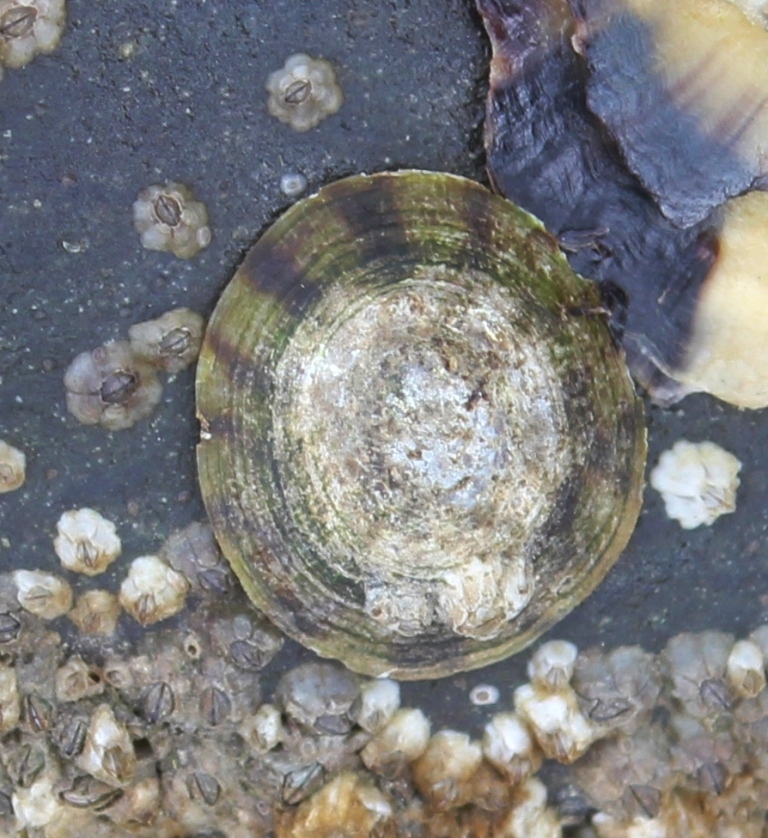
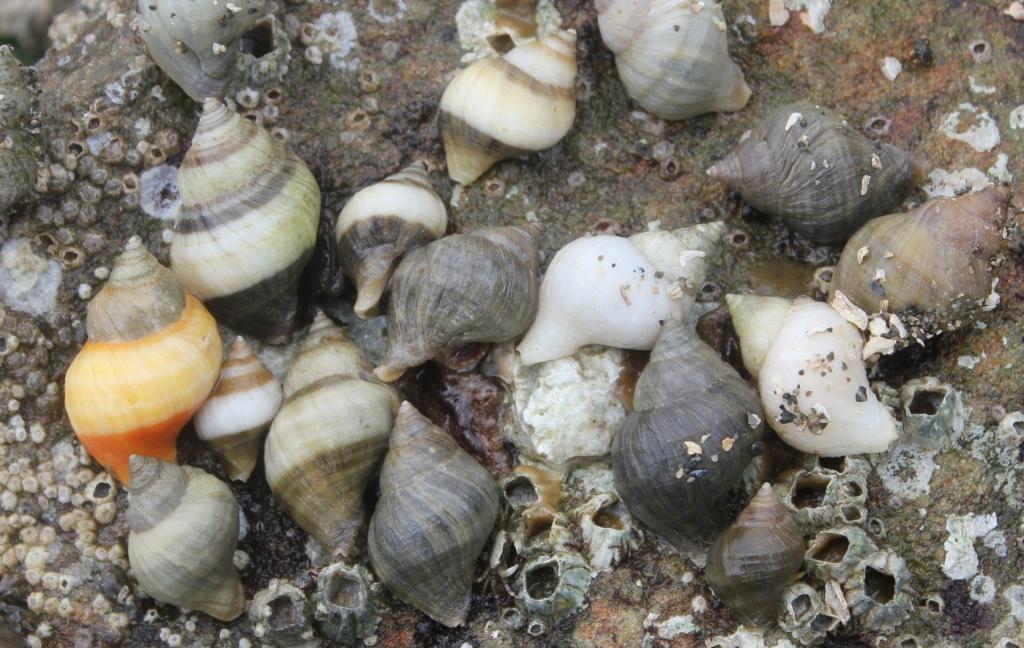
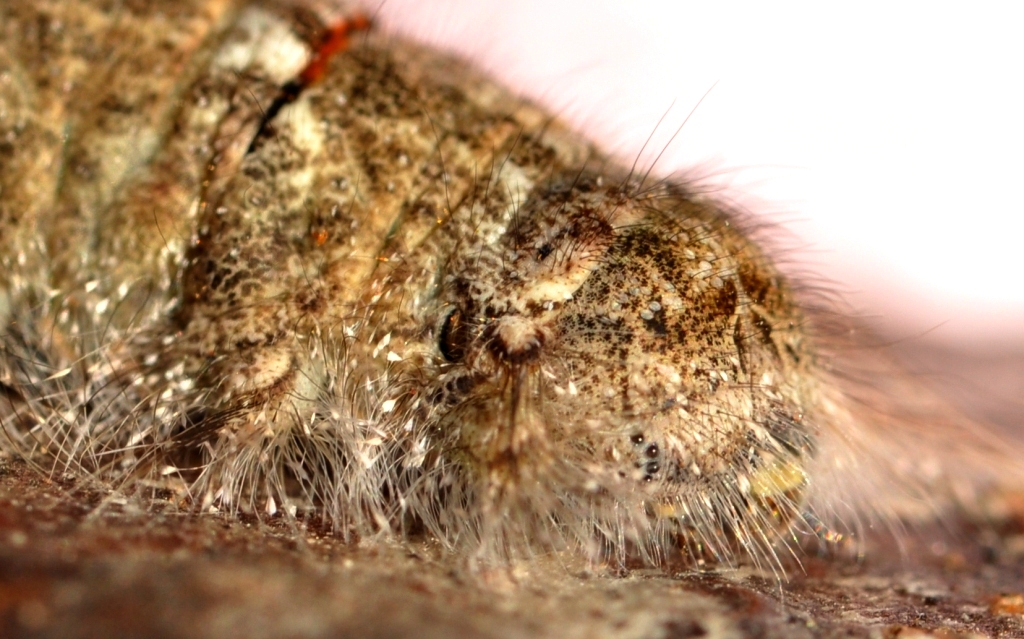
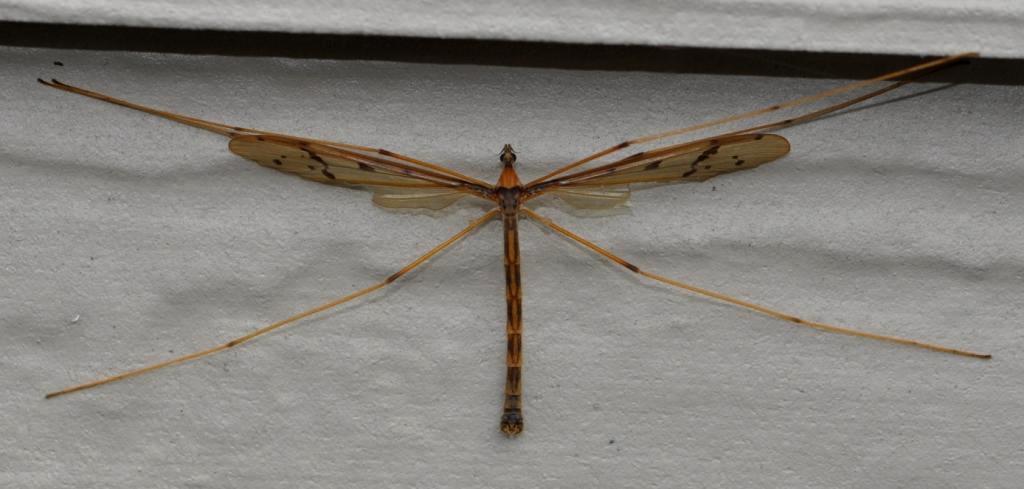
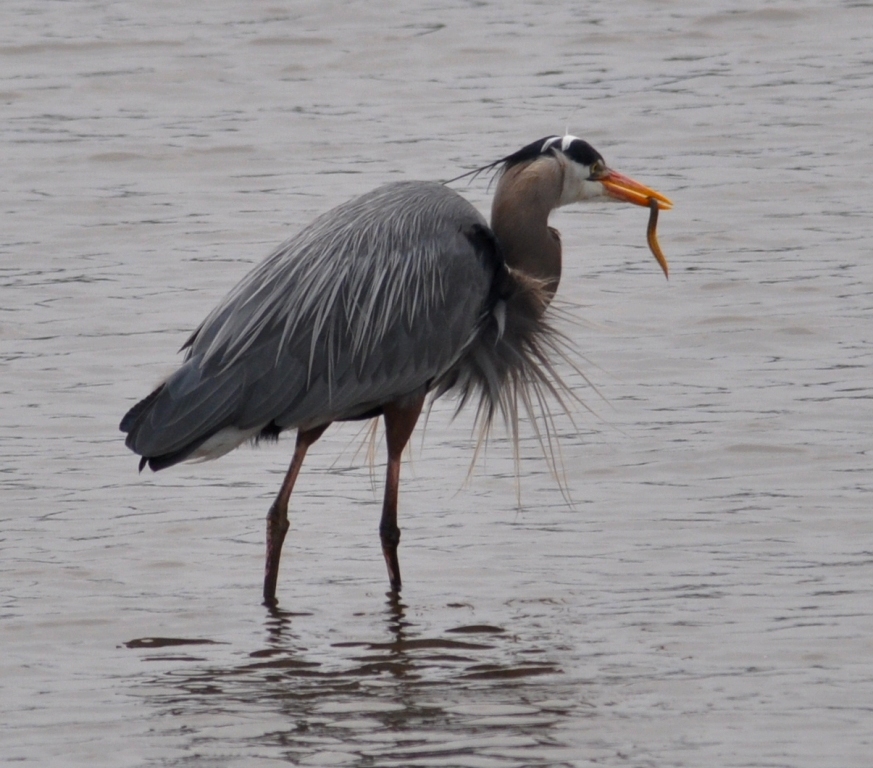
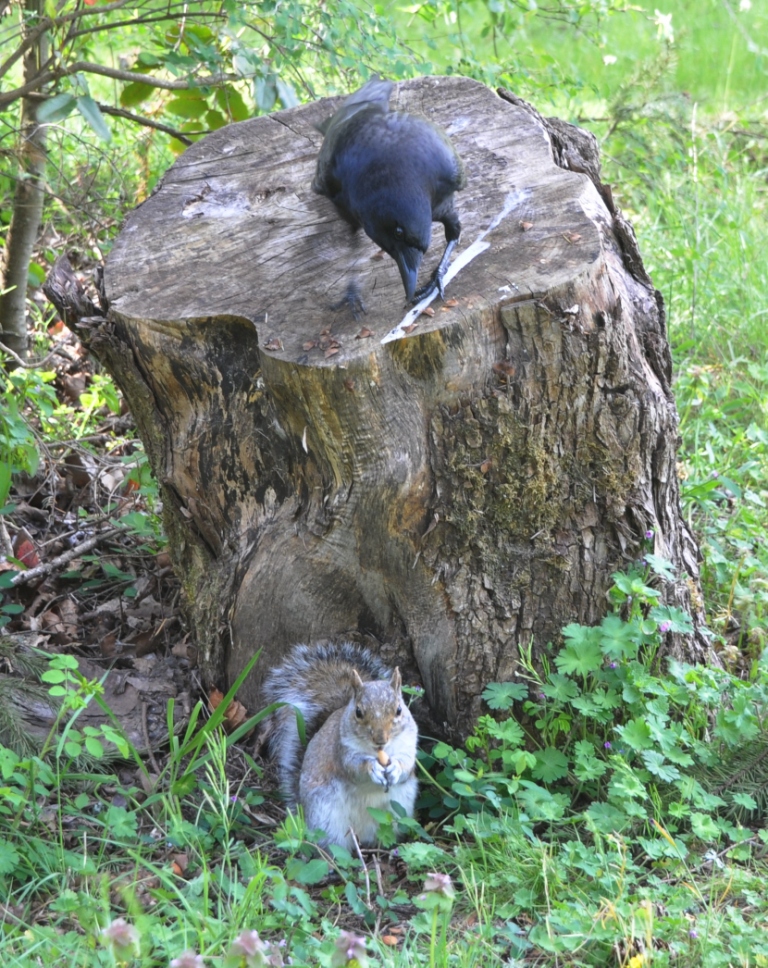
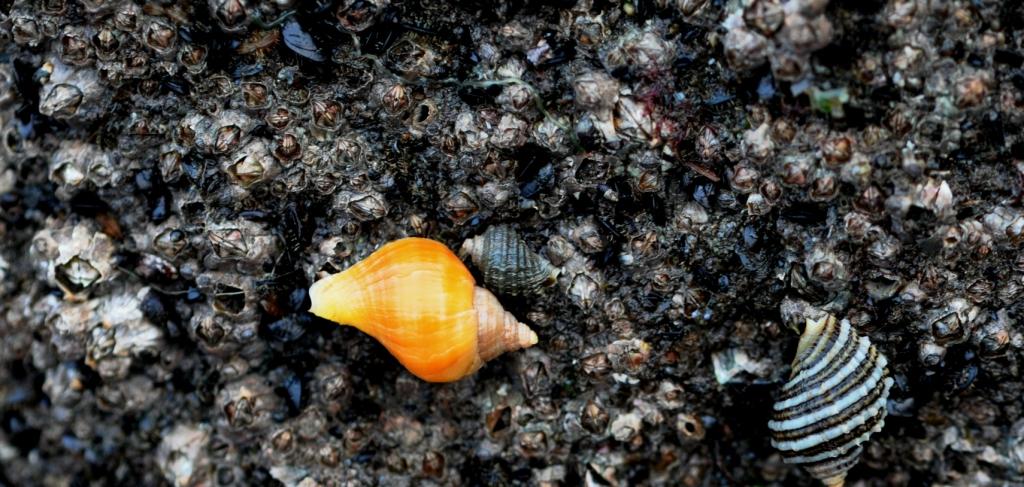
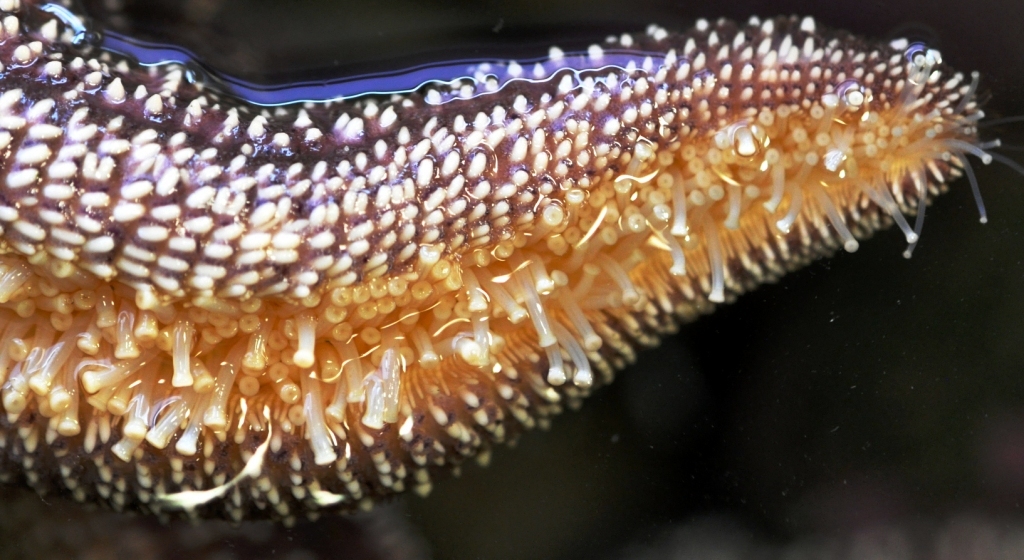
Caterpillar eyes; a Giant Western Crane Fly; a Great Blue Heron eating an eel; a crow scolding a squirrel for stealing his nut; colorful snails trespassing over barnacles; a close look at sea star tube feet
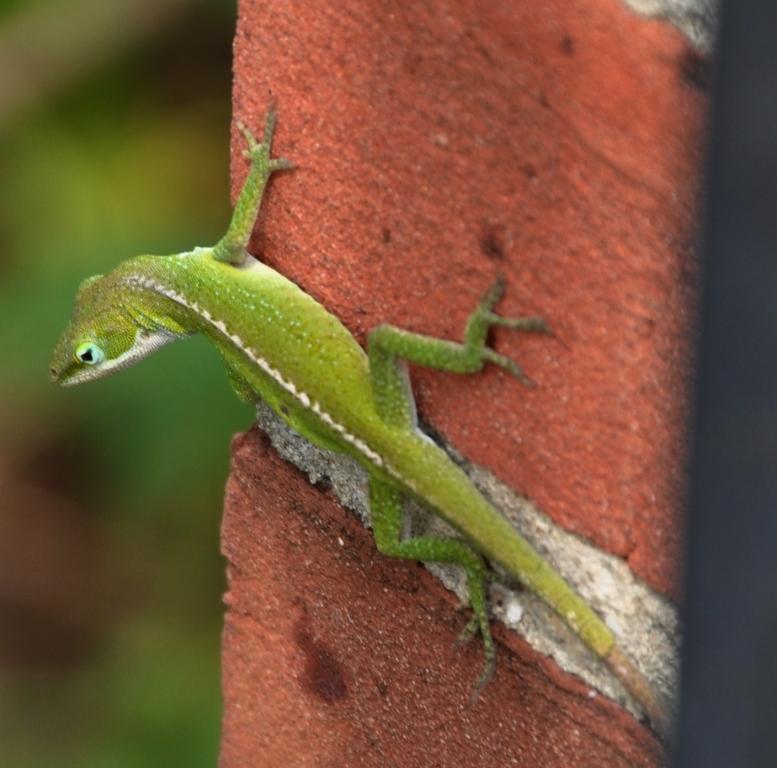
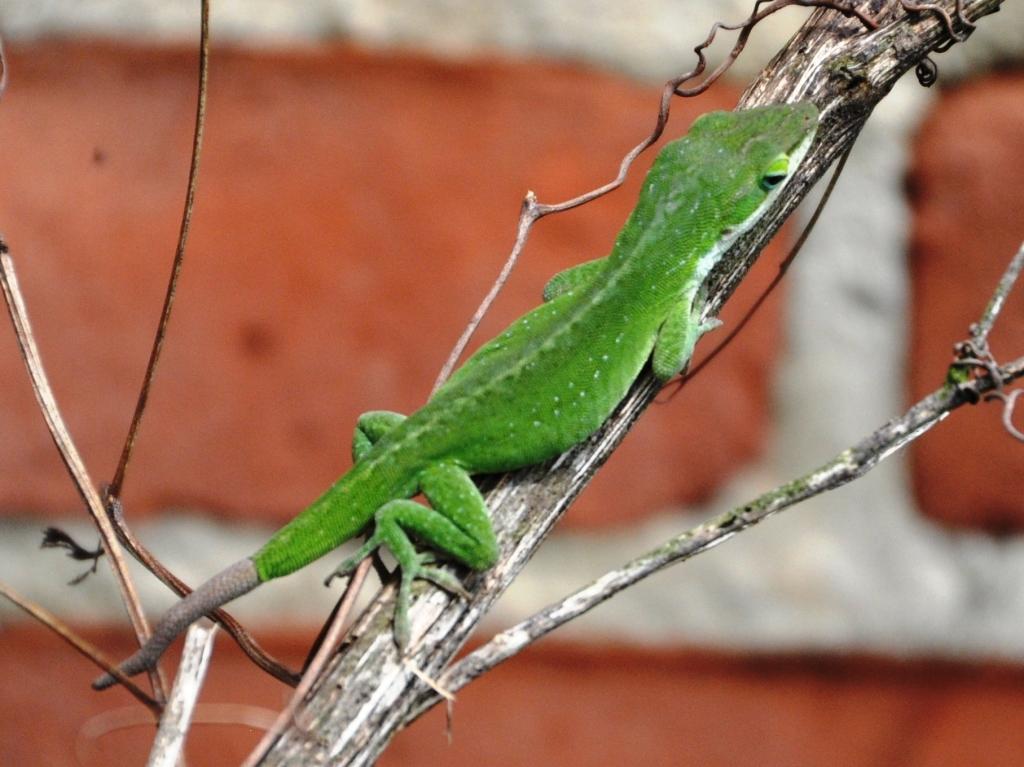
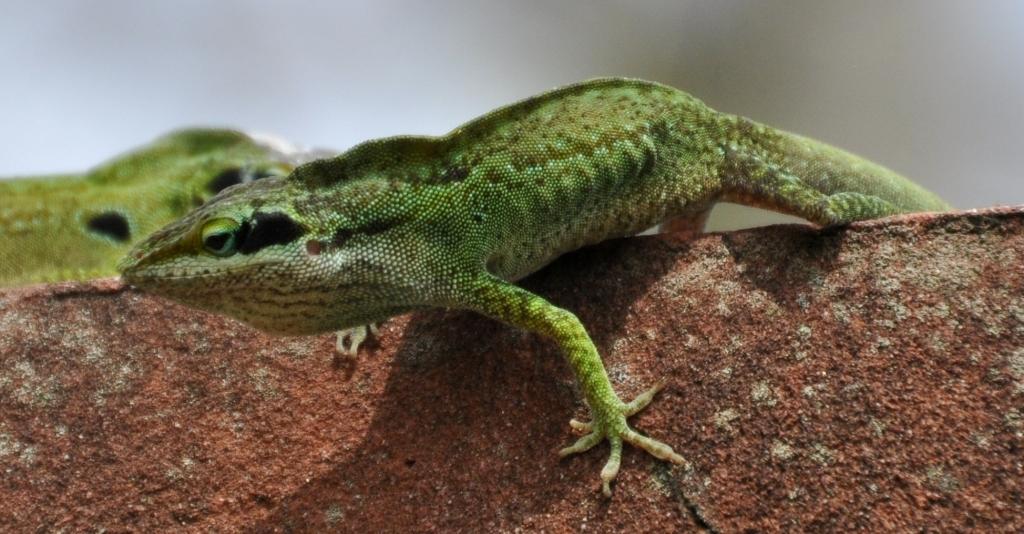
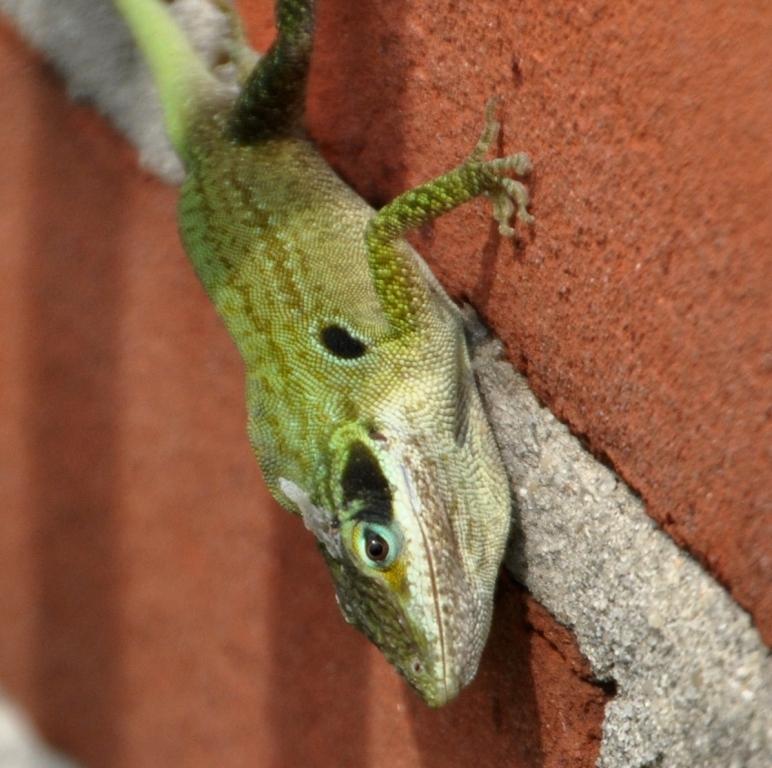
Anoles are members of the Iguanid family, over 600 species of which inhabit the Americas. The common green anole is native to America and often displays a jagged white stripe along it back. Males often display a distinctive ink throat flap when vying for territory. The crested anole is distinguished by the prominent crest along its head and back. I have not yet found another photo of this lizard showing those black spots behind the eye and behind the ear of the animal. Both green and crested anoles can change colors from green to brown; the transformation primarily dependent on emotion but also appears to change in relation to temperature as well.
For some real reptilian rhythm go here:Lizard Dance!
During a recent trip to New Orleans I found myself stranded in the downtown French Quarter of the city. Since I have an infinitely greater preference for wildlife safaris over cuisine I was chagrined not to be able to get out into bayous and swamps of the place; some of the best times of my life have been spent sloshing around swamps. Well, you can’t have everything. But the determined wildlife photographer can always find something somewhere so I took my camera out along the backyard fence lines of some homes in the area and, of course, I found something. At first I thought I was seeing nothing but variations of the common green anole, Anolis carolinenesis. After a bit of research, however, I discovered that I had also captured a crested anole, Anolis cristatellus, on film as well. Both are common reptiles found throughout the Southeast but the crested anole is an introduced species from the Caribbean. Combined with their ability to change colors these active, territorial, and aggressive reptiles very interesting to observe – and welcome relief from the frantic noise of downtown New Orleans.