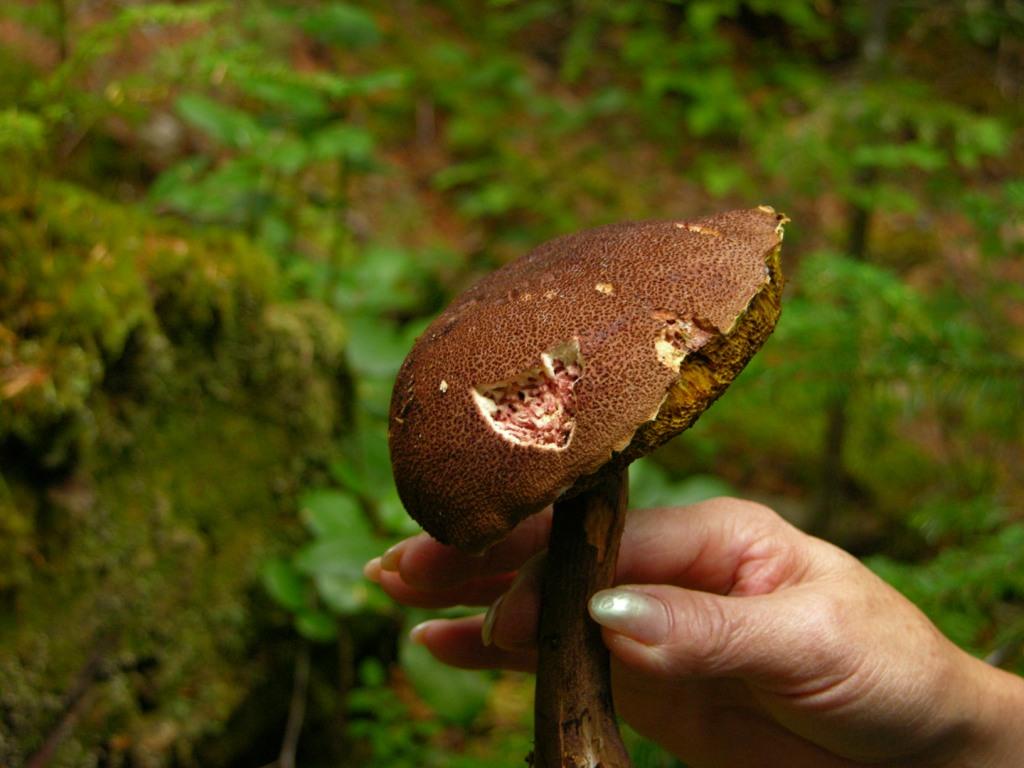
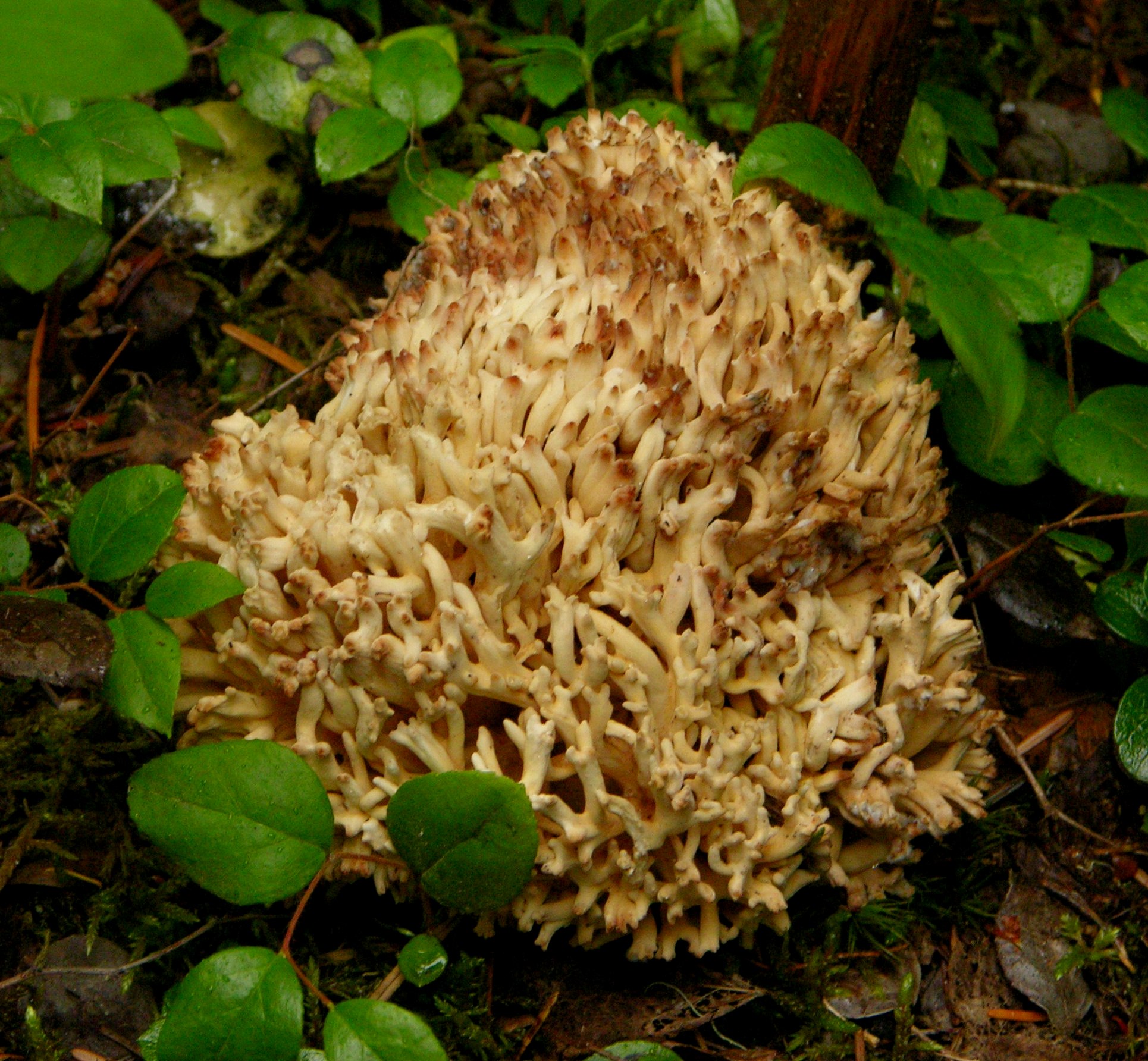
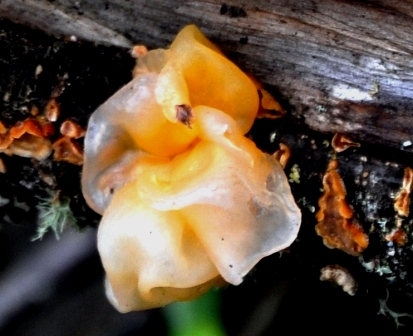
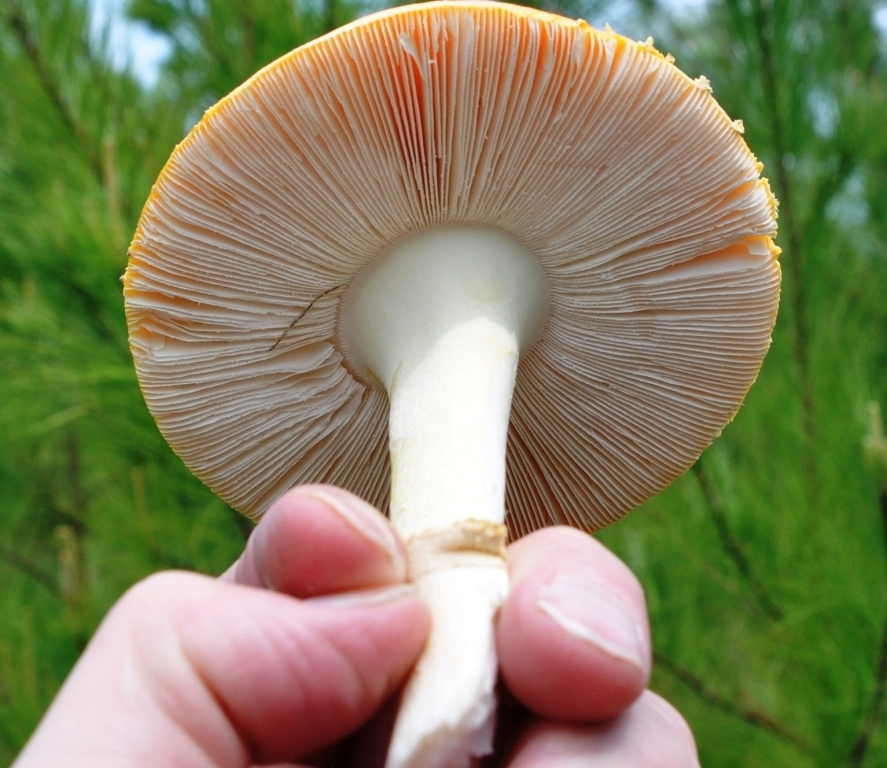
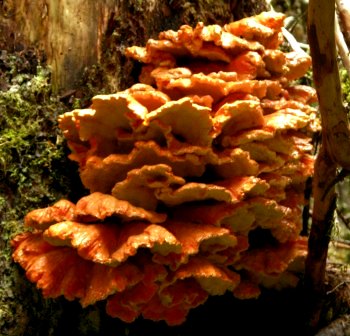
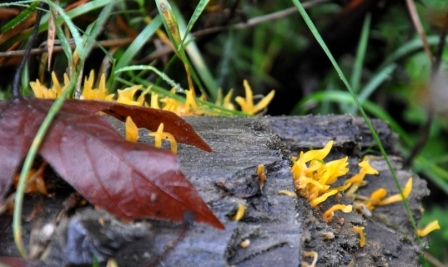
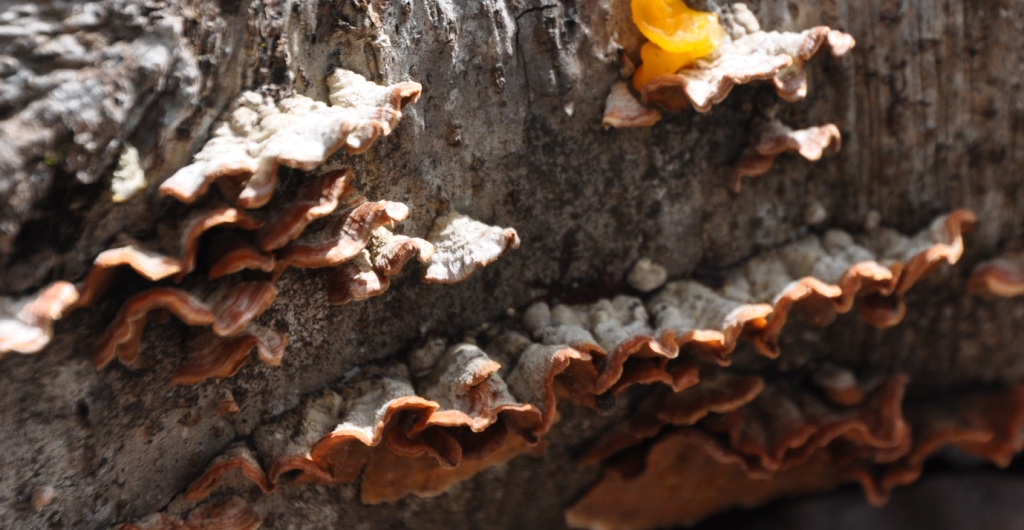
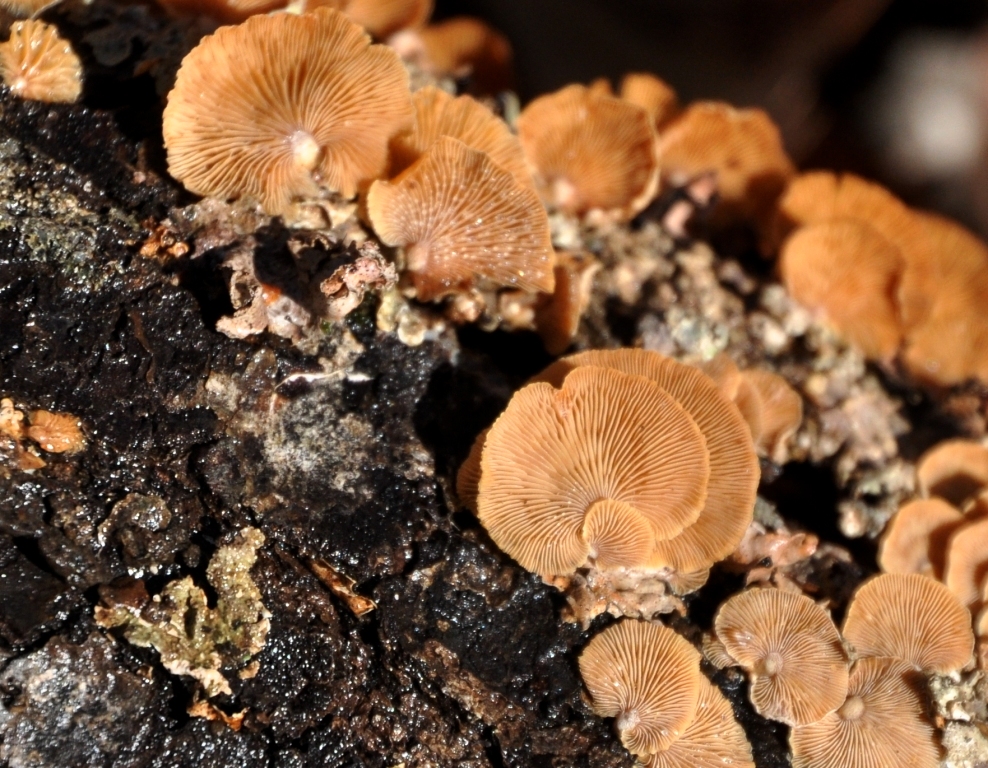
From left to right: A fine example of a bolete; note the solidity of the organism and the pores underneath; a member of the coral fungi; a jelly fungi called “Witch’s Butter;” a familiar agaric showing the characteristic gills underneath an umbrella shaped cap; a “shelf” fungus called polypore; the small yellow orange sprouts coming out of the tree are possible “teeth” fungi; and finally another example of a polypore shelf fungus.
By and large (very large) I’m an animal wildlife guy. Animals are my muse, passion, primary trigger, etc, etc, etc… But there is a particular non-animal form of wildlife that I find uniquely fascinating. I’m talking about those exotically beautiful fungi called mushrooms. If you’re one of those hard core mushroom folks you know what I’m talking about. Life the Northwest is a shroom lovers paradise, of course, and as the saying goes “even the most casual observer” will notice our overwhelming wealth of fungi. They cover our forest grounds, scale halfway up our trees, and sprout overnight in our lawns. Mushrooms display an enormous variety of shapes and sizes, plus a surprising rainbow of colors. Pictured above are some of the more familiar types in our area. Orson K. Miller’s great book, “Mushrooms of North America” lists 13 major groups and hundreds of different kinds. I highly recommend this as a reference to anyone interested in these unique organisms.
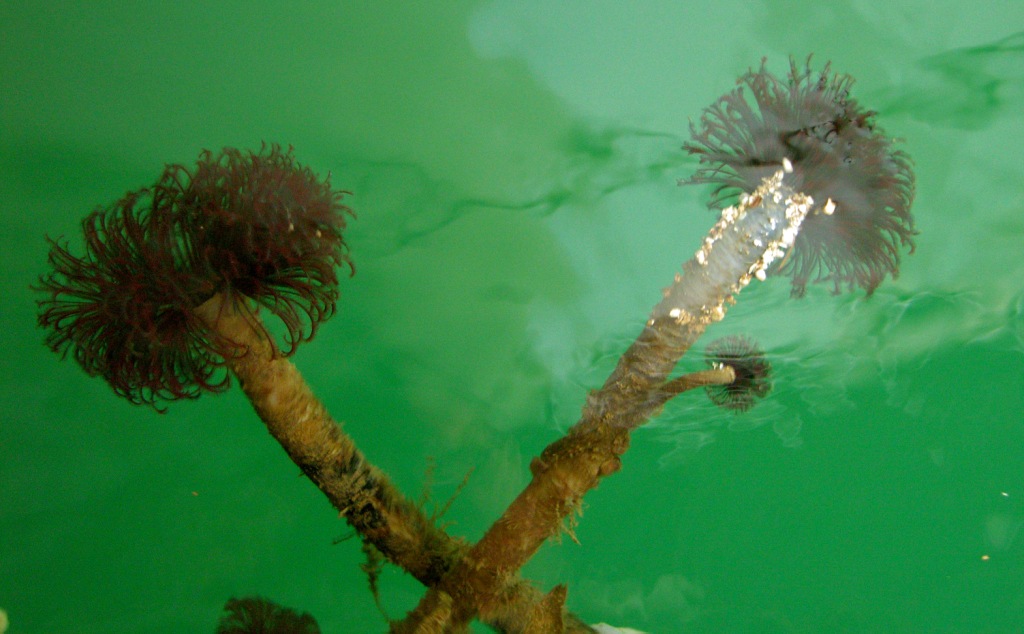
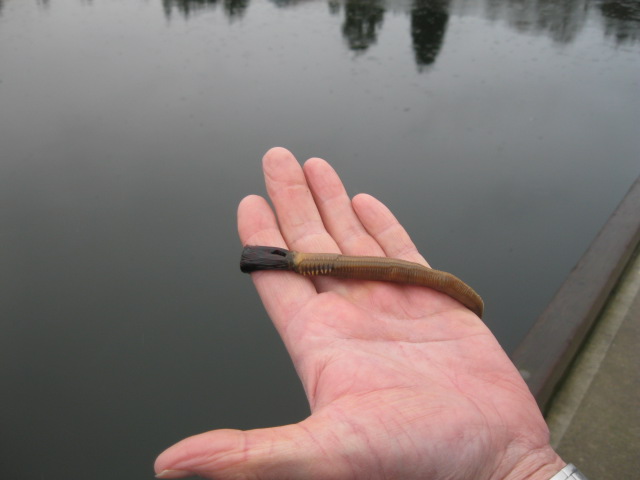
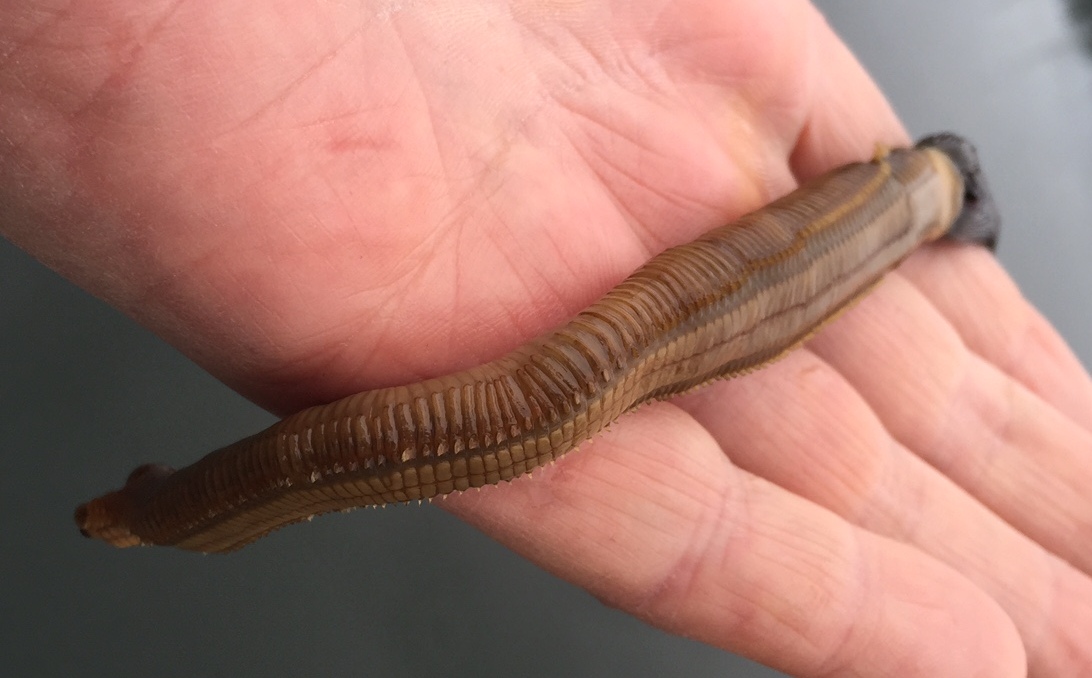
Contrasting views of a feather duster worm – what you normally see while looking over the edge of a dock or float, and the hidden part of the worm hiding in its shell. Special thanks and photo credits to my great good pals, Ken Sandstrom and Tony Tablazon for the “naked” pics of the worm. Tony tells me they make great fish bait, too.
A common sight attached to boat docks or reefs is an oddly beautiful animal commonly called a feather duster due to its obvious resemblance to that appliance. The creature is actually a worm, one of the 8,000 different species that make up the class of worms called Polychaeta. Polychaete worms come in a variety of rainbow like colors and are not always strictly anchored to a substrate; some are free moving. Some even have a head that looks more like a fanged centipede and grab prey like many predators. This particular one found along our Northwest Shores is Eudistyli vavancouveri. Normally all see are the feathery tops of the worm as it sticks out of its shell filtering detritus and plankton from the water. Put your finger near the creature and it pops back into the shell with amazing speed. Inside that shell, however, is a lean and muscular body that can get up to two feet long.
They have distinctly different, more vivid coloration than Bengal tigers. And by the way, the Point Defiance Zoo is easily one of the best I have ever seen – and I’ve seen a few.
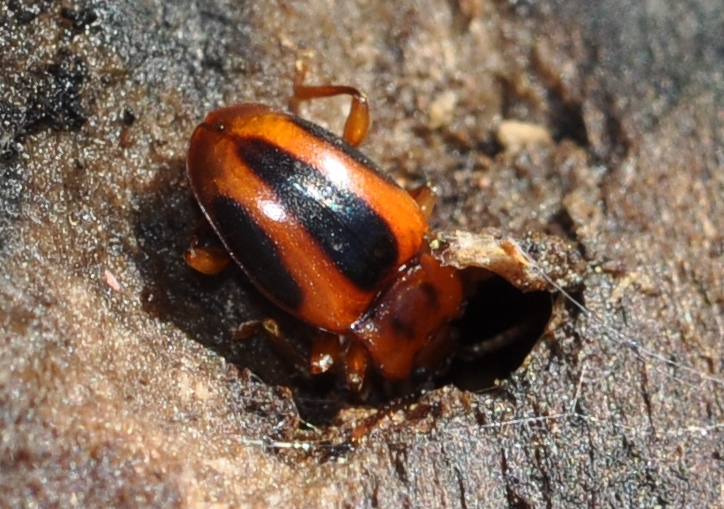
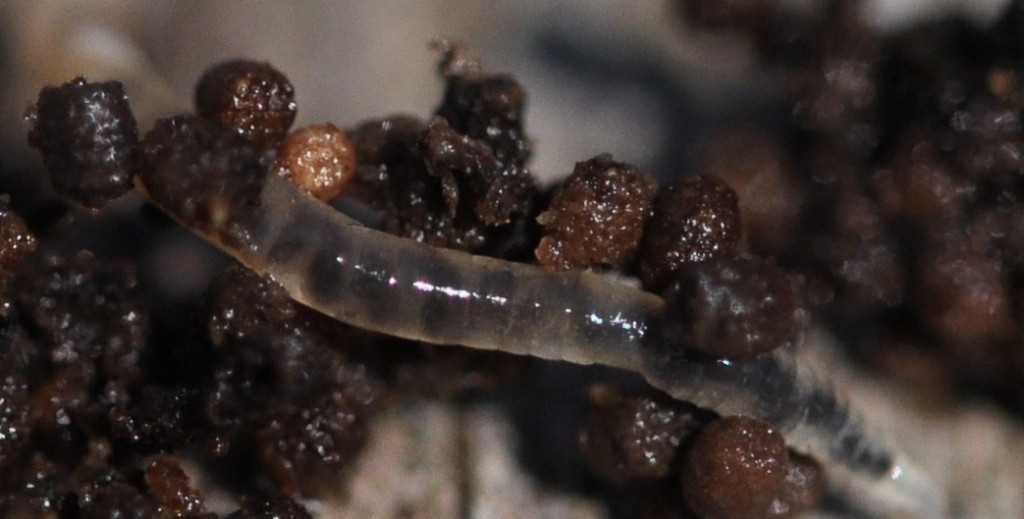
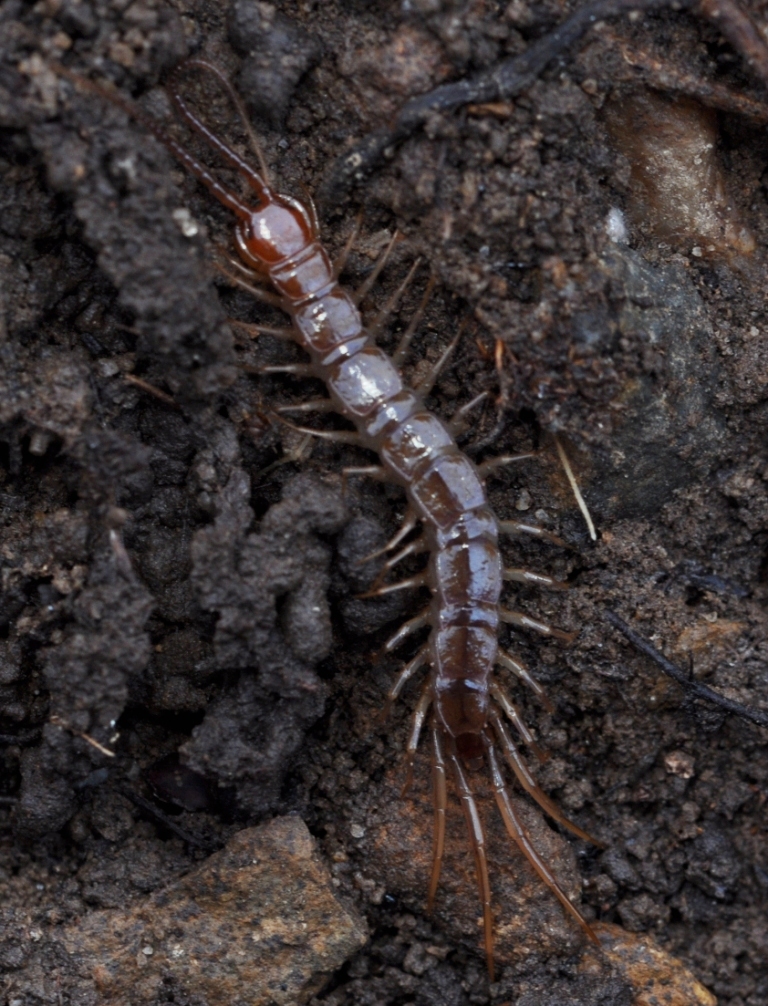
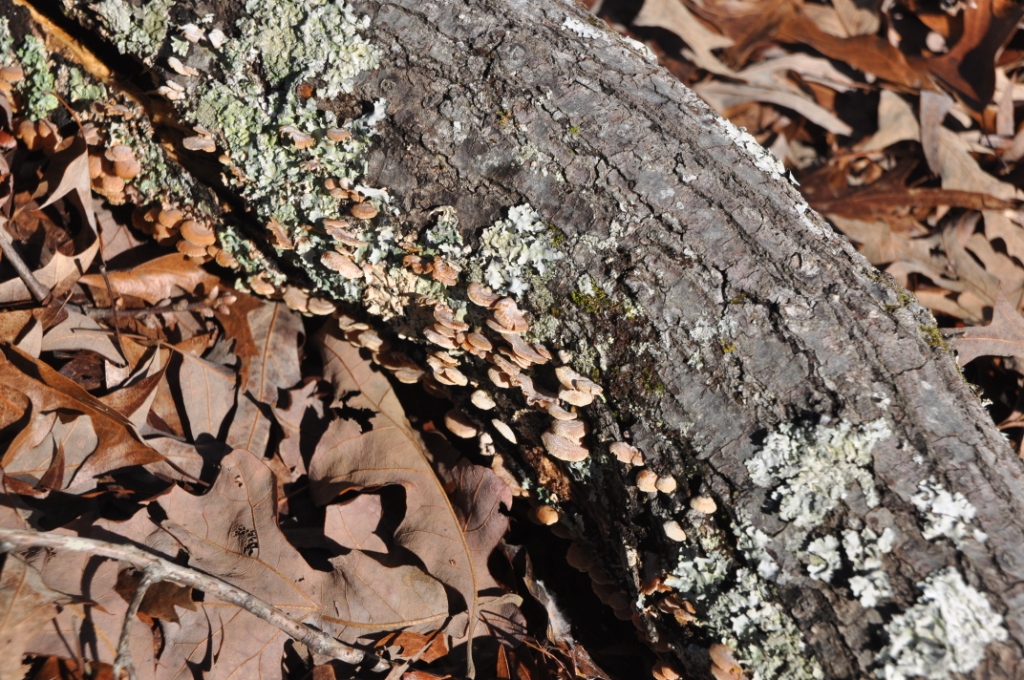
Next time you see an ordinary fallen log in the forest turn it over and take a closer look. There’s hidden beauty and mystery just beyond your imagination – the delicate gills of a mushroom, little fanged dragons, colorful beetles, see through worms, underground grasshoppers – they’re waiting for you.
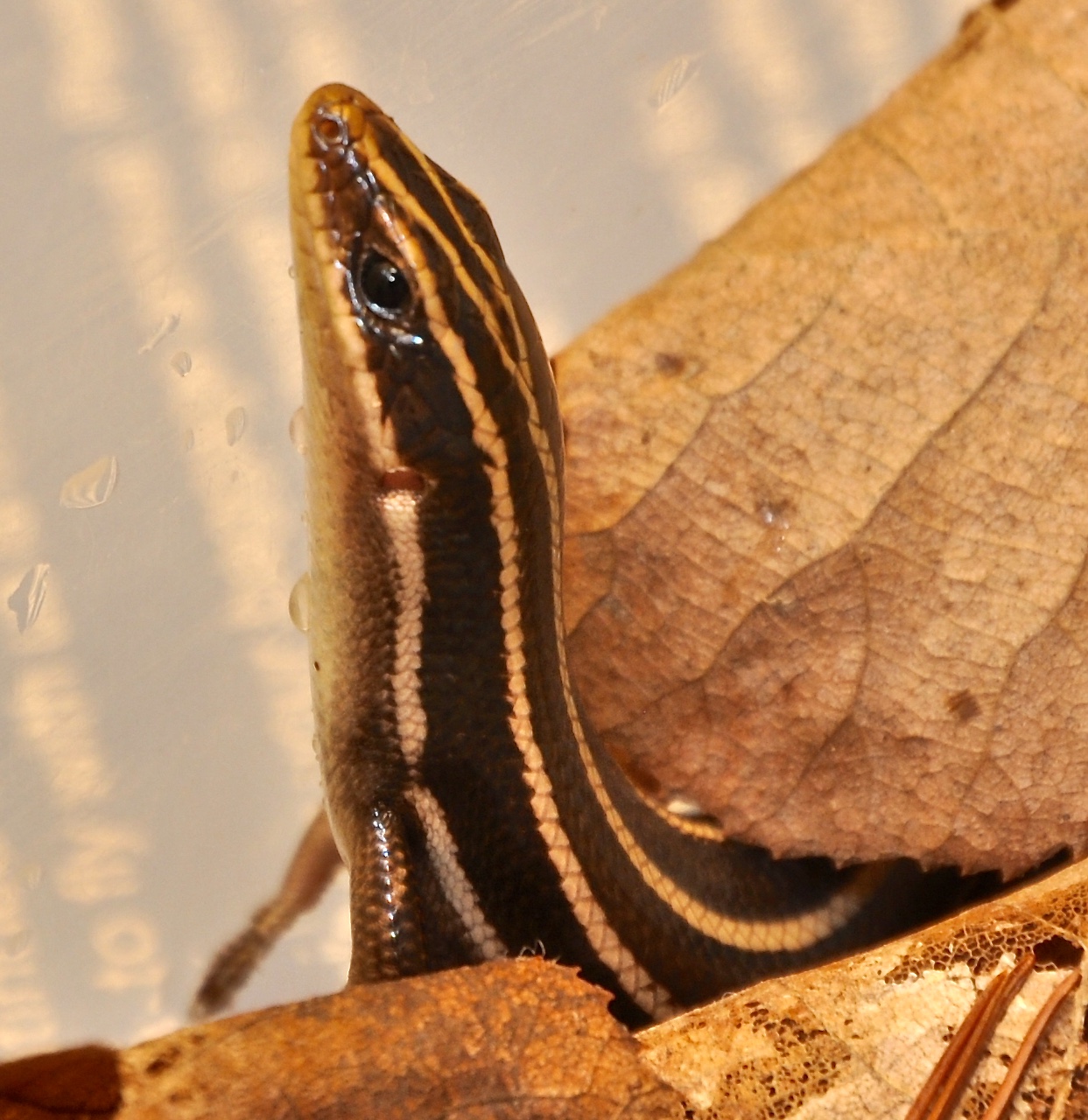
My travels often take me out beyond the scope of Northwest Wildlife but my camera is always ready. Here’s a few shots I managed on a fairly cold day in Arkansas. I had to turn over a lot of logs and rocks but the effort was worthwhile. Especially gratifying was the little five lined skink – an unexpected and beautiful surprise as these are sun loving lizards, active and energetic in warm weather. I had to take the little guy back to my hotel room in order to get some decent pics. He has an ample supply of worms and bugs, and on the net warm day he’ll be set free.
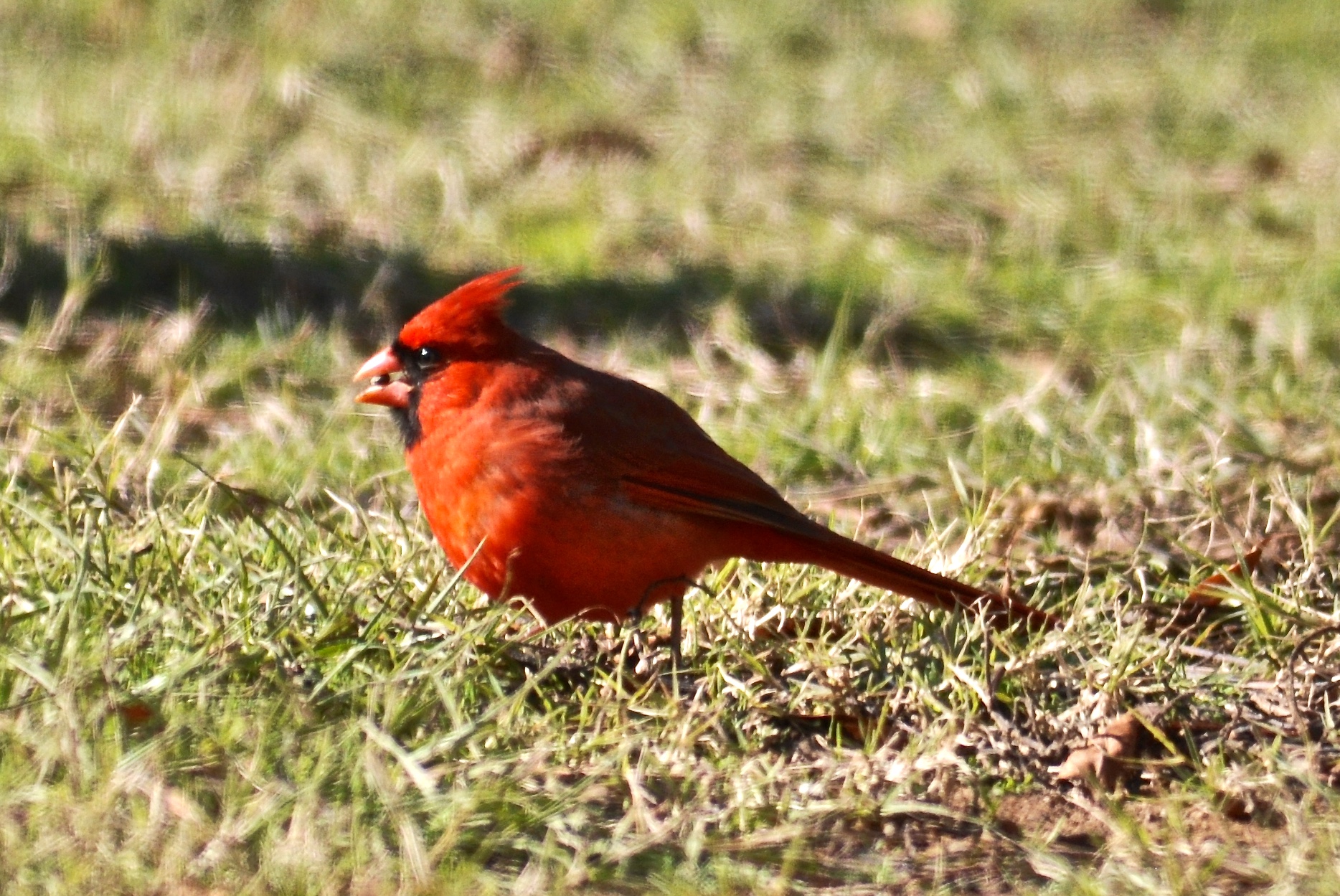
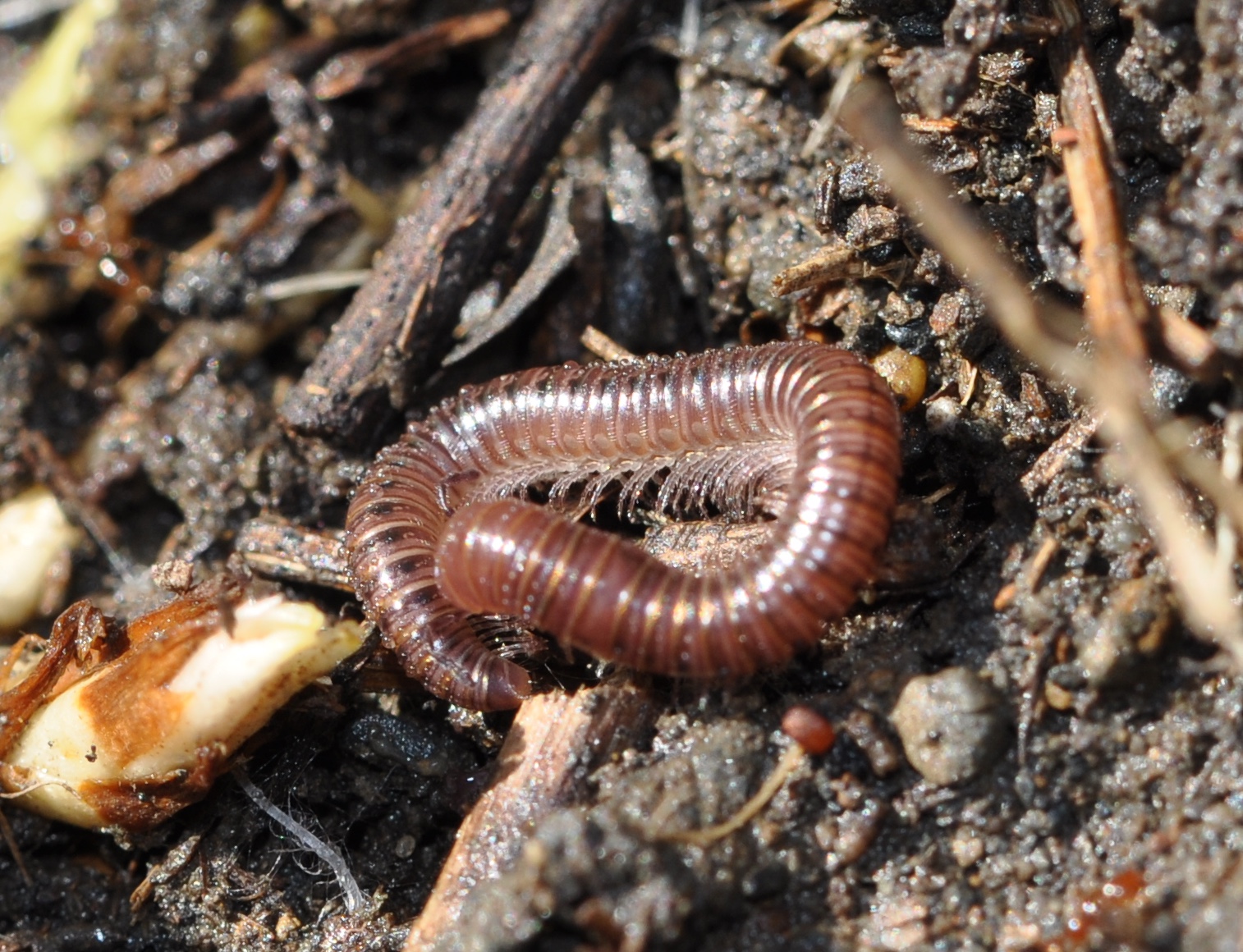
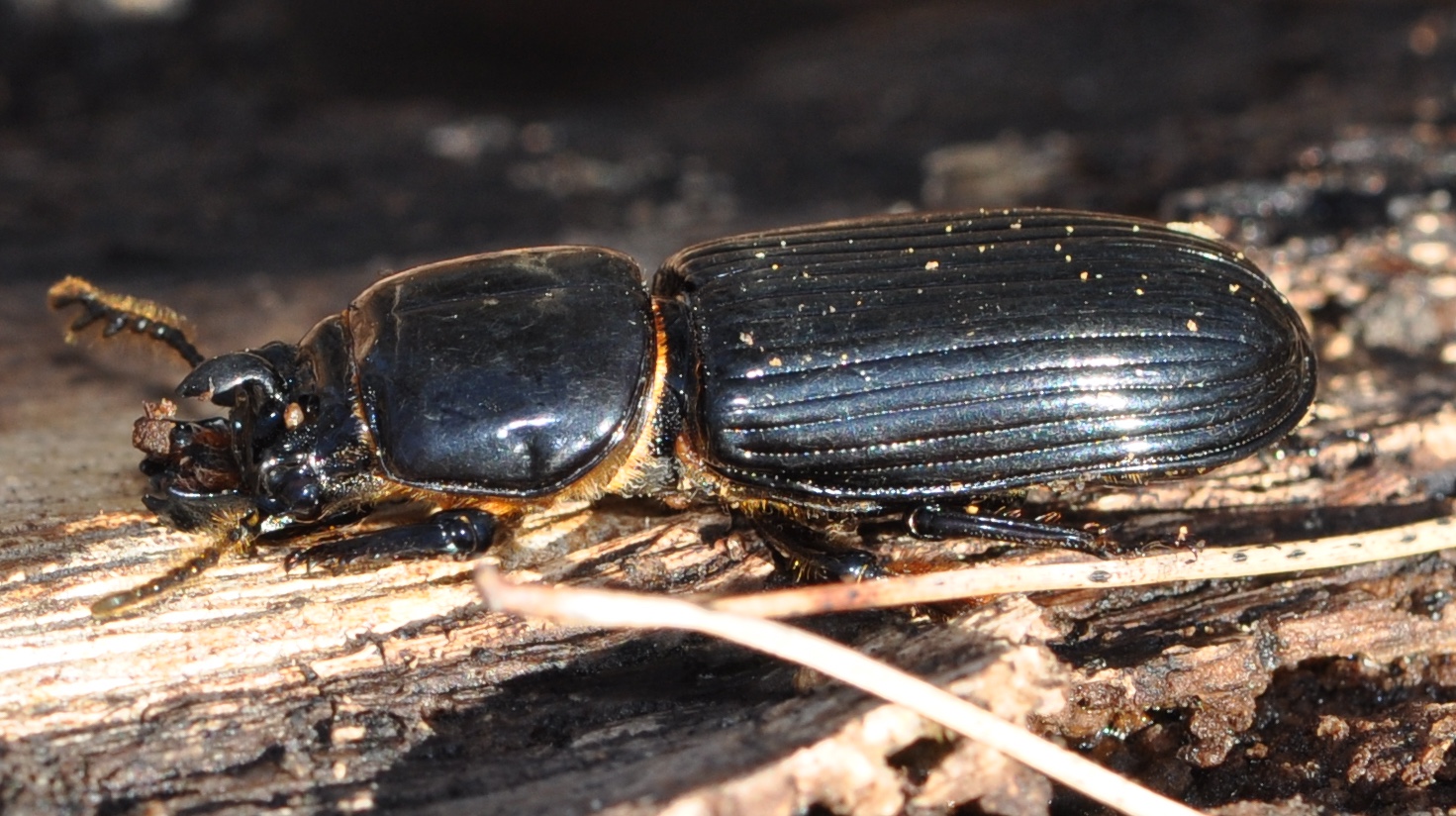
Cardinals are not a species we see in the Northwest. This chubby little fellow was part of a small flock feeding on worms and other things as the sun warmed the grassy field. I can’t help but love millipedes so my macro lens always zeroes in on them. The big ferocious looking beetle is an insect found just about everywhere and goes by the very original name of common black beetle.
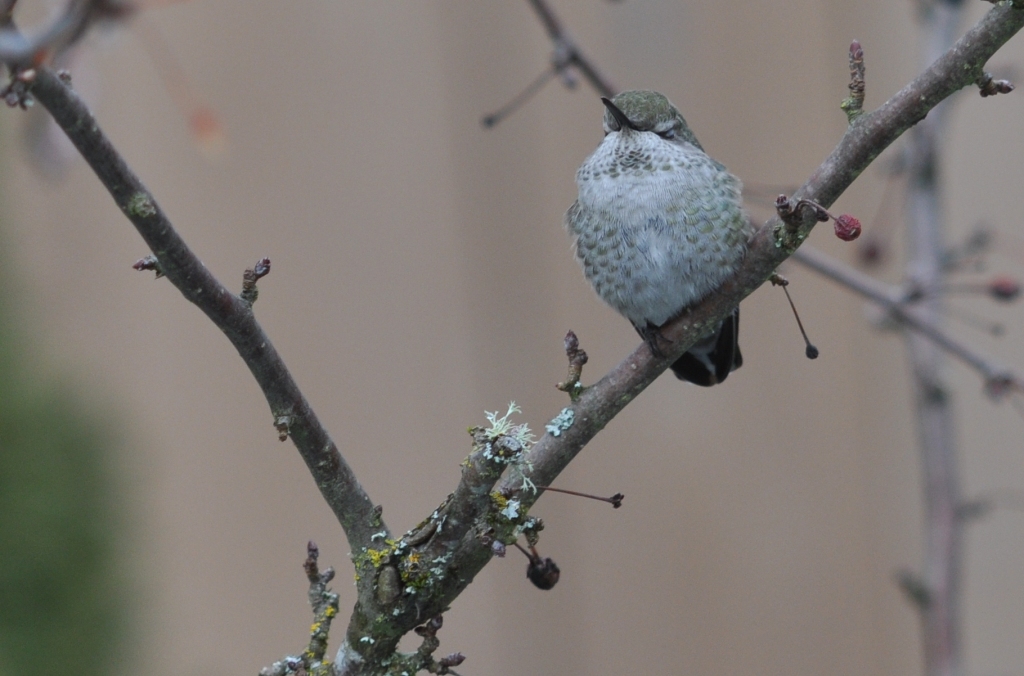
A couple of Anna’s Hummingbirds, year round Northwest residents, settled in for the winter. That little blur in the upper left of the first photo is one of the tiny birds flying through falling snow.
It really is quite amazing that these tiny birds manage to survive winter. Not that our Northwest seasons are all that extreme, but when you consider the exceptionally small body mass of these little avians it’s a surprise that they even live through our cool summers. There is a physiological trick to this of course, or we’d have no hummers at all. The hummingbird trick is torpor. In winter or any kind of cooler weather the body temperature of the little birds drops at night. In climates like ours where the Anna’s hummingbird overwinter, the body temperature hovers to a point just above that necessary to sustain life. Each morning the birds awaken and “shiver” themselves back to a normal temperature – then its off to find enough food to get them through the next day and night. Research has shown that overwintering hummingbirds also tend to eat more insects, thus providing a cache of protein and slower burning energy.
I have wandered about several continents photographing wildlife and during that time I’ve have some fascinating animal experiences. I’ve worked with elephants and rhinoceroses in Korea, tracked wild boar in Germany, spent some quality time with baboons in Saudi Arabia, and chased hyenas in Afghanistan. I had the opportunity to swim with alligators and catch monkeys in Florida. I’ve caught all kinds of reptiles and observed whales and dolphins from Alaska to Hawaii. These were beautiful experiences and each has its own special grip on my heart. But the single most intriguing one of all is a tiny thing I stumbled upon in the blazing desert of southern Afghanistan; something I’ve yet to explain.
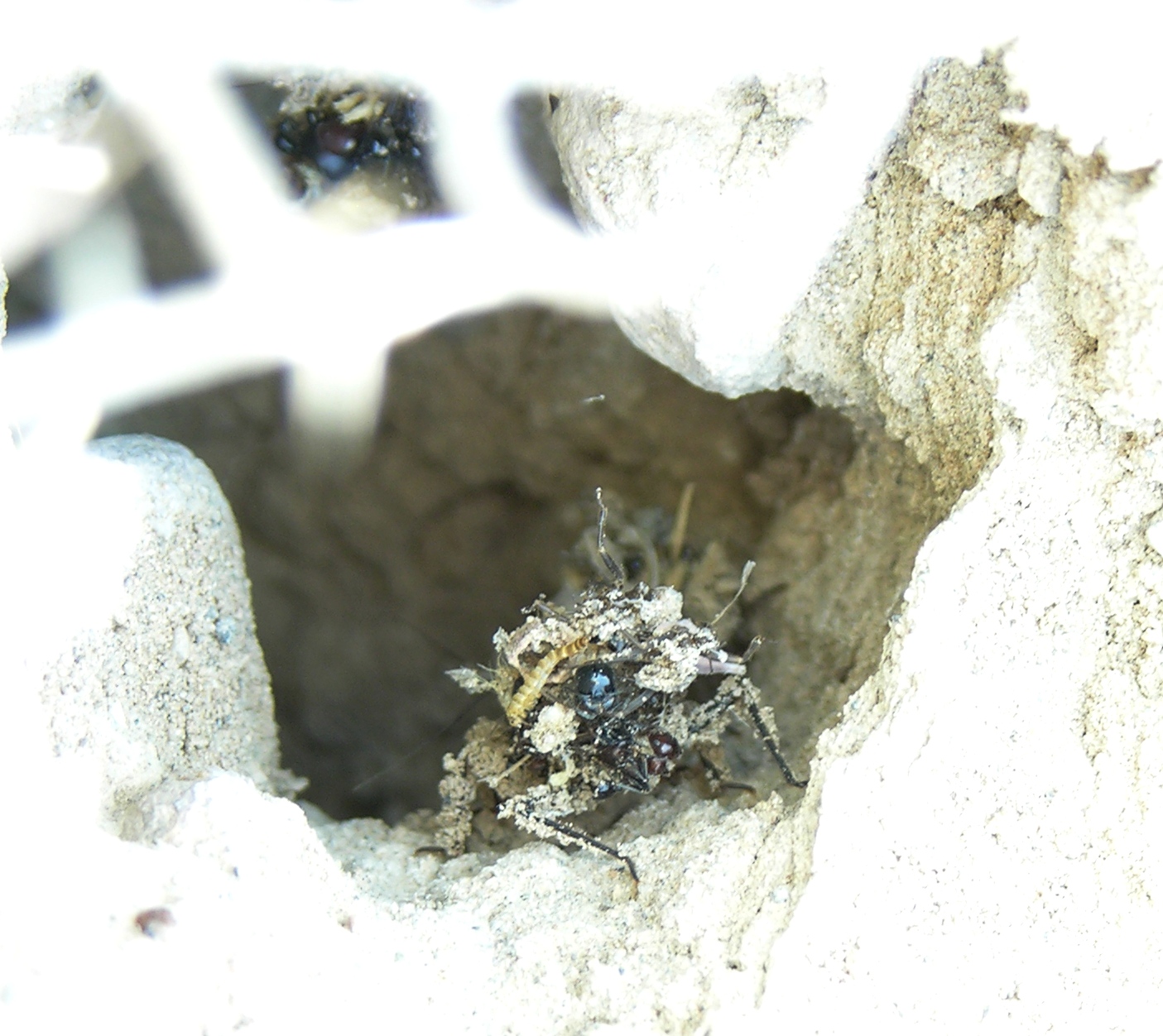
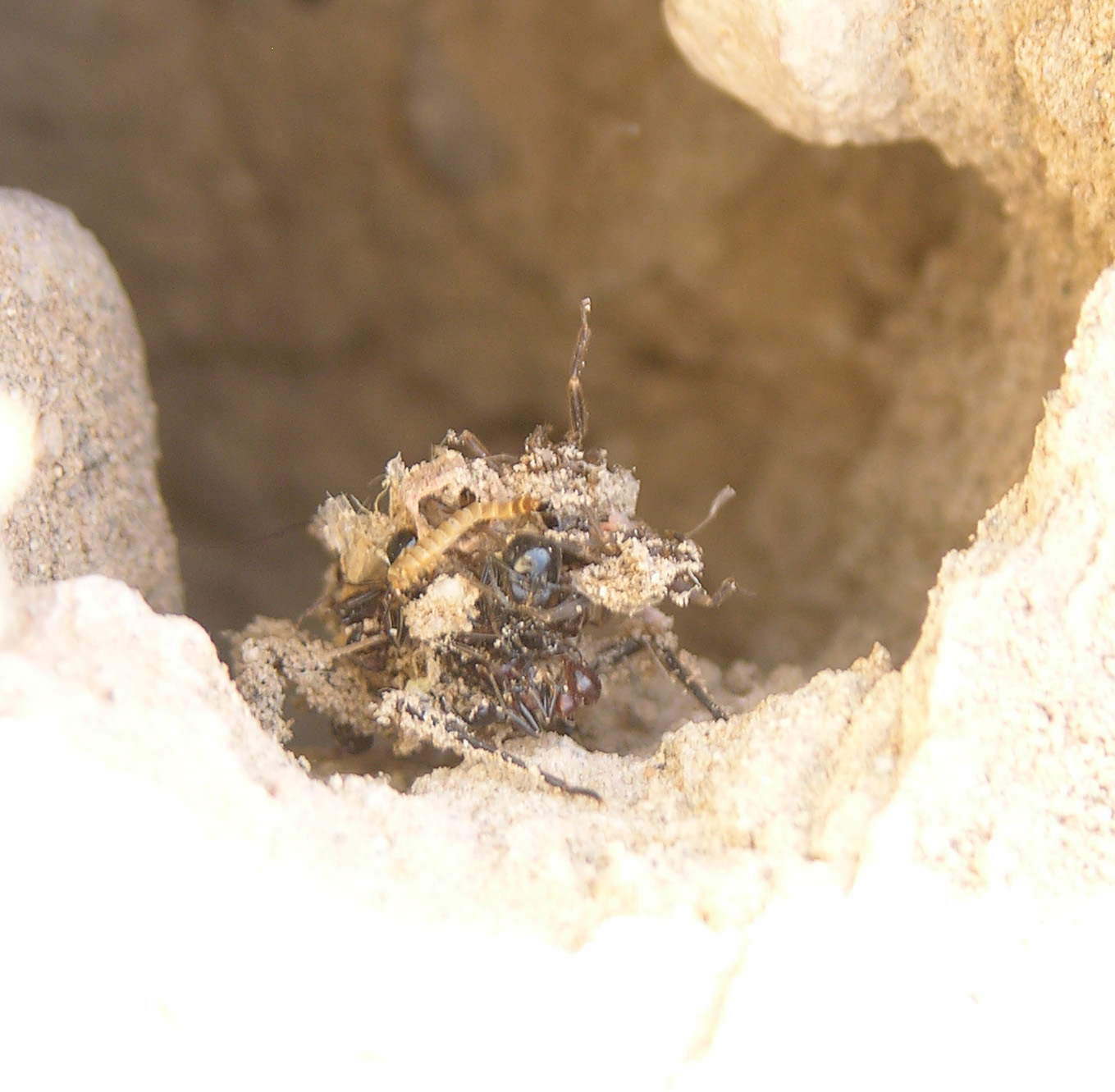
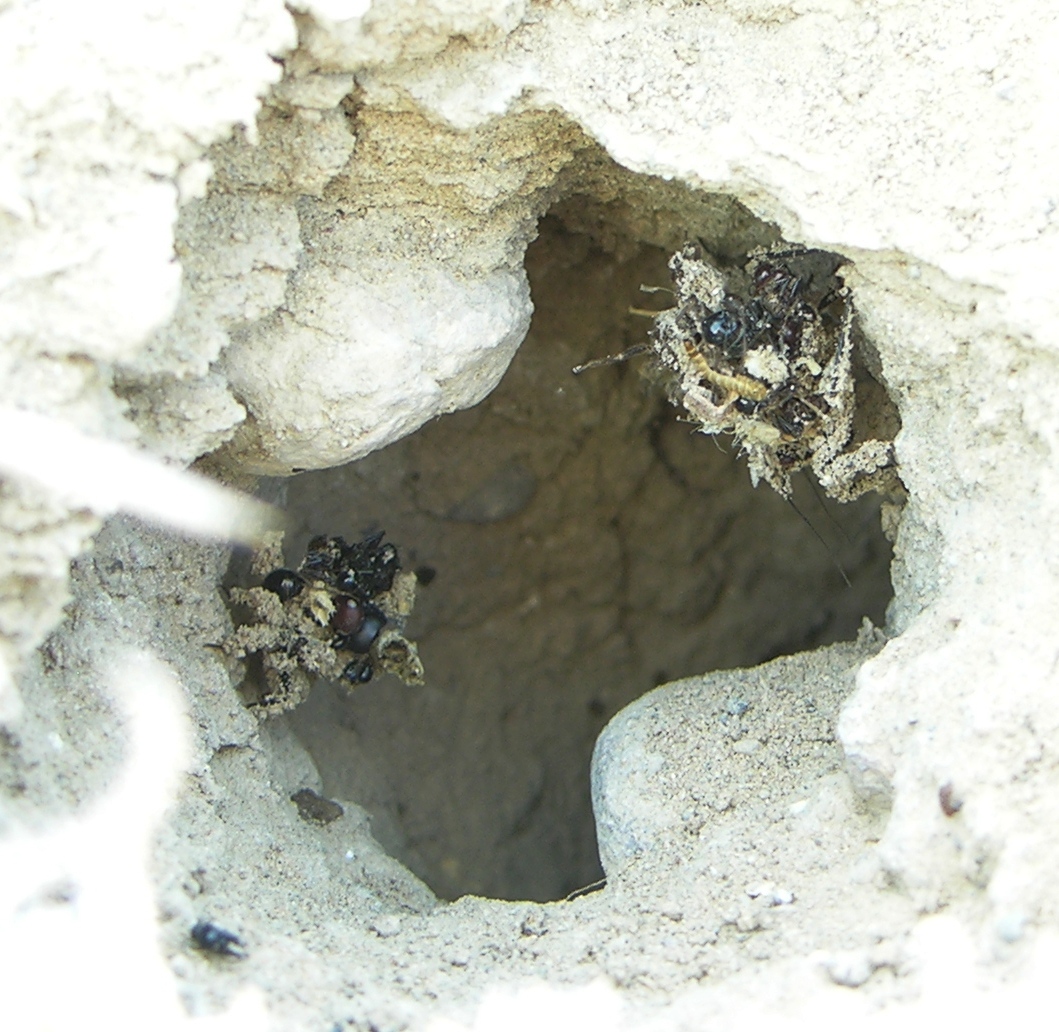
These odd little guys were roughly the the size of a large spitball; I found about ten of them in the Afghan desert inhabiting a small hole that you’d expect a tiny mouse to live in. They only appeared in the evening, after the intense daytime heat dissipated. Obviously insect like – note the legs grasping the side of their home – but beyond that I have no idea what to call them. The legs are covered with sand particles but the rest of the body is heavily decorated with insect body parts, mainly ants from what I can see, a molt or an exoskeleton from some other creature is obvious in the photos, too. This leads me to believe they are some kind of insect predator, but I have never seen anything like them before. Their habitat was unfortunately destroyed by a construction project over here shortly after I took these photos. Despite an extensive search I’ve not been able to find any more examples.
Since this article was written some time ago I received information from Louis Sorkin B.C.E., Entomologist and Arachnologist at the American Museum of Natural History in NY who identified them as most likely belonging to a group of insects called reduviid bugs. Reduviids contain the group of insects known as bed bugs, but not to worry. I found these guys in an open field outside of an airbase in Kandahar. I did not bring any specimens home with me. But after looking at numerous photos of the reduviids I have not seen anything that looks like these things.
Kandahar, Afghanistan sits on a wide plain at the base of the end of a mountain range that begins with the towering Hindu Kush far to the northeast of the country. These giants gradually taper down into brownish boulderish, steep rolling hills to the north of the city and finally flatten out into a plain that stretches to Iran and the southern border of Pakistan. Animal life there is a collusion of Middle Eastern desert creatures and Central Asian beasts that run from camels to hyenas. A cheetah native to Afghanistan once roamed there and still may in some unknown corner of this remote land. The reptile fauna of this high desert environment is considerable. So many in fact, a snake once fell on my head as I opened the door to my hut – but that’s a story for another day.
I’ve photographed many specimens. My favorite activity on my day off was wandering about the undeveloped areas of the giant Kandahar Air Base and filming the surprising variety of wildlife that homesteaded inside this giant abode of military hardware. At the north and northwest end of the runway an undisturbed area of several hundred acres of scrub and sand rolls out to the fenced in boundary of the base and here I spent many delightful hours creeping about stalking my little wild friends. I usually undertook these jaunts in the morning and early afternoons in order to avoid the crushing heat of midday and the annoying mortar attacks at night. But wildlife in all of its glory is not tied to the habits of one man or one war. I wanted to see what kinds of creatures were out later in the day, so late one afternoon I went back out before dark but after the sun had done its worst.
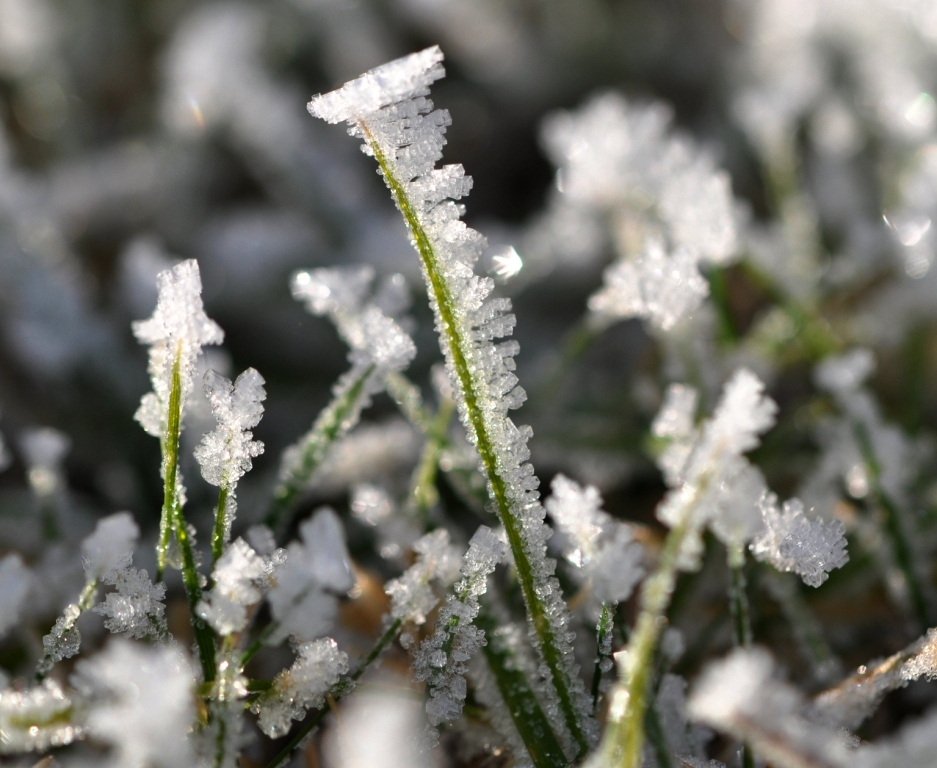
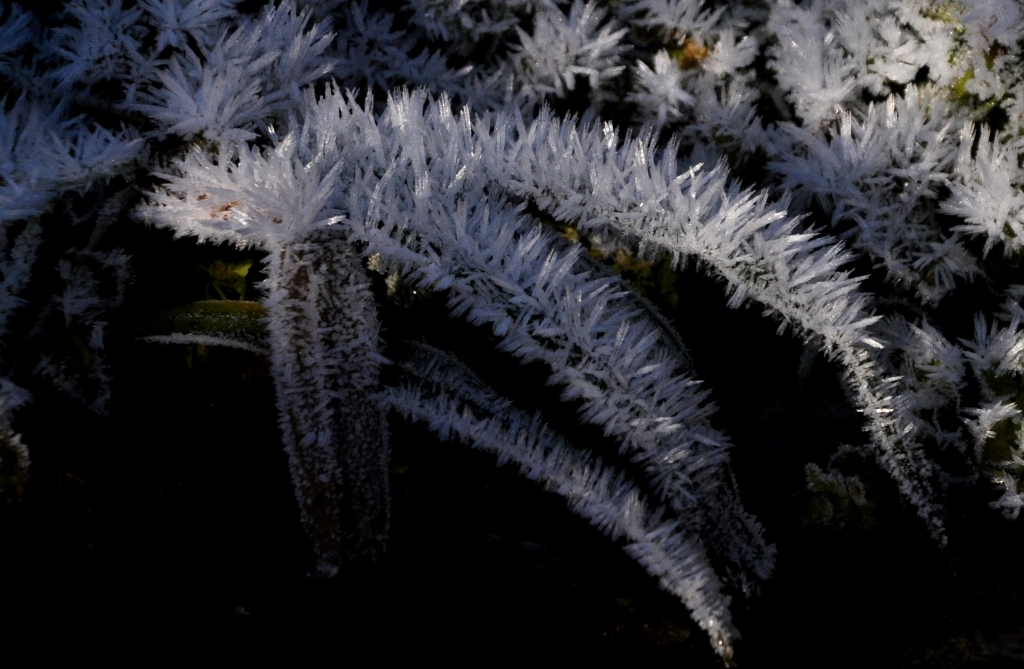
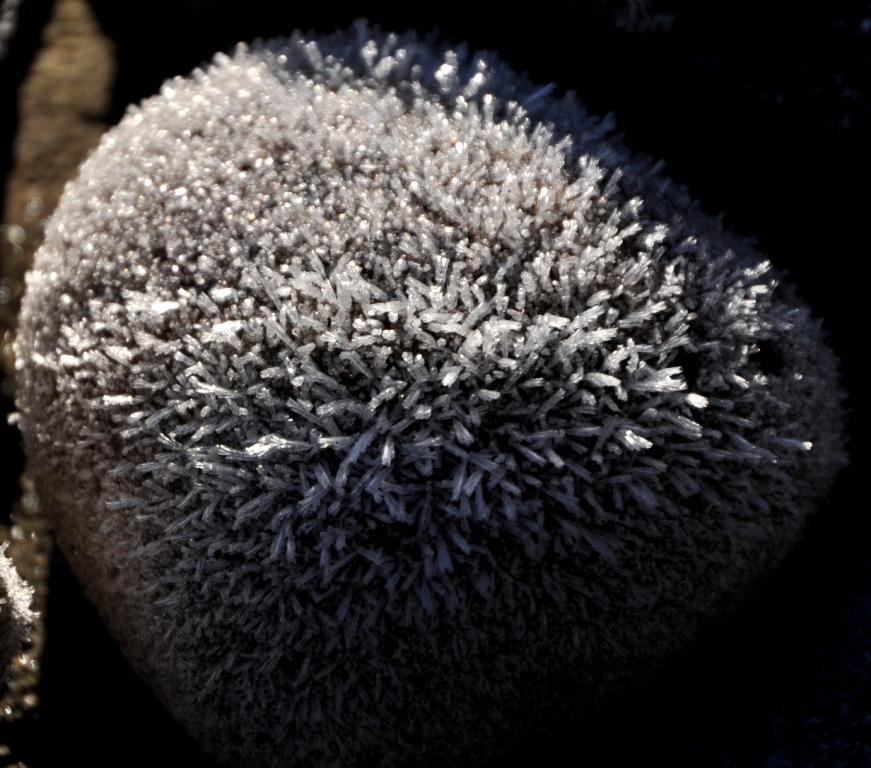
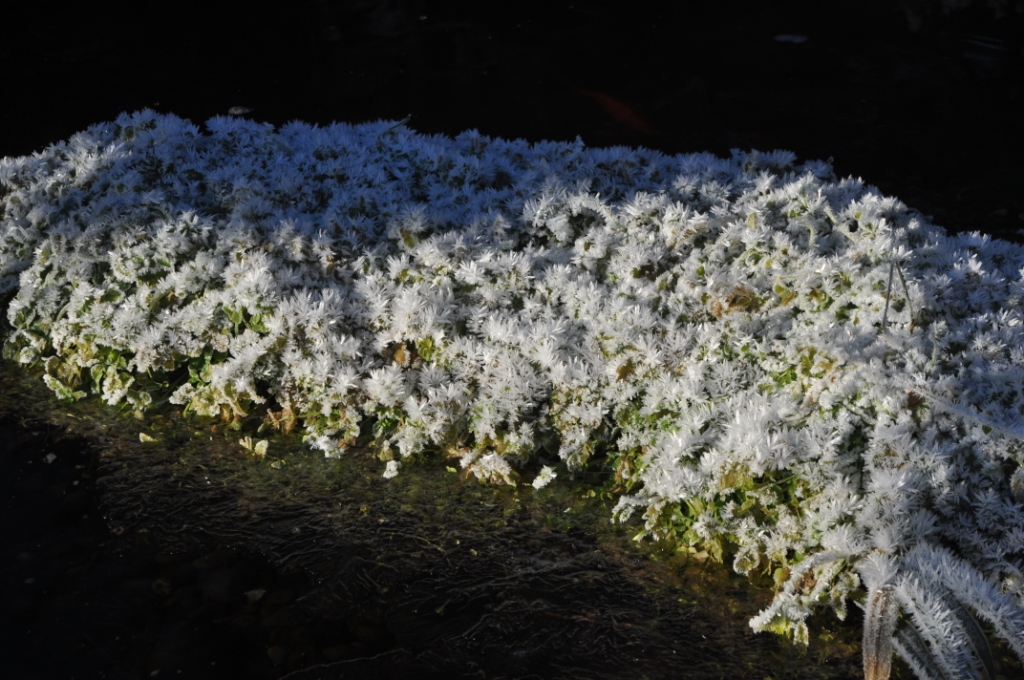
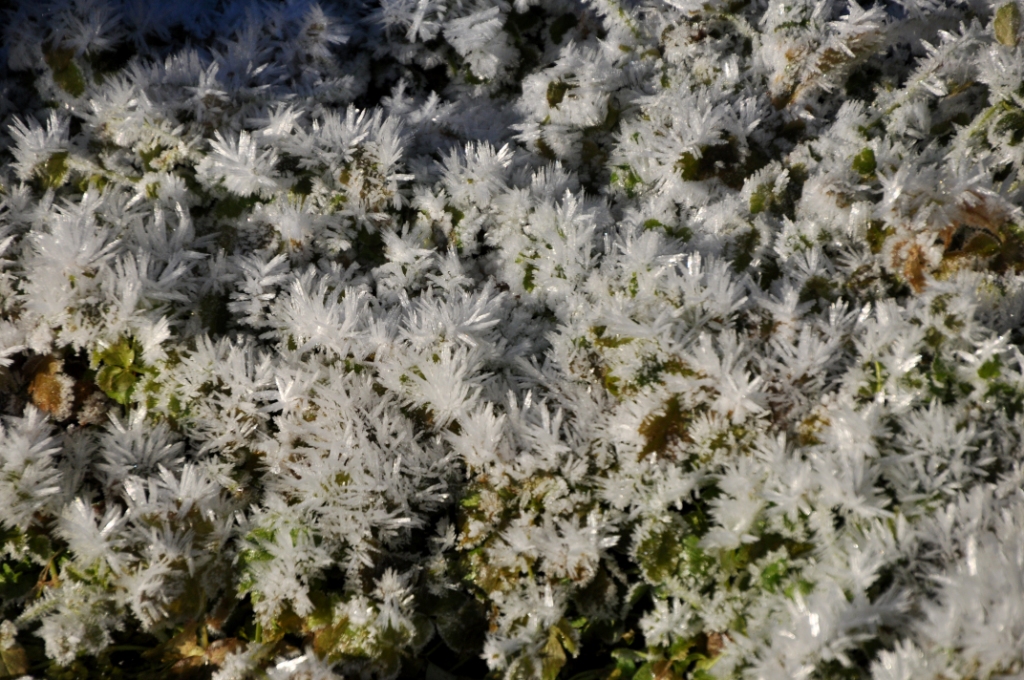
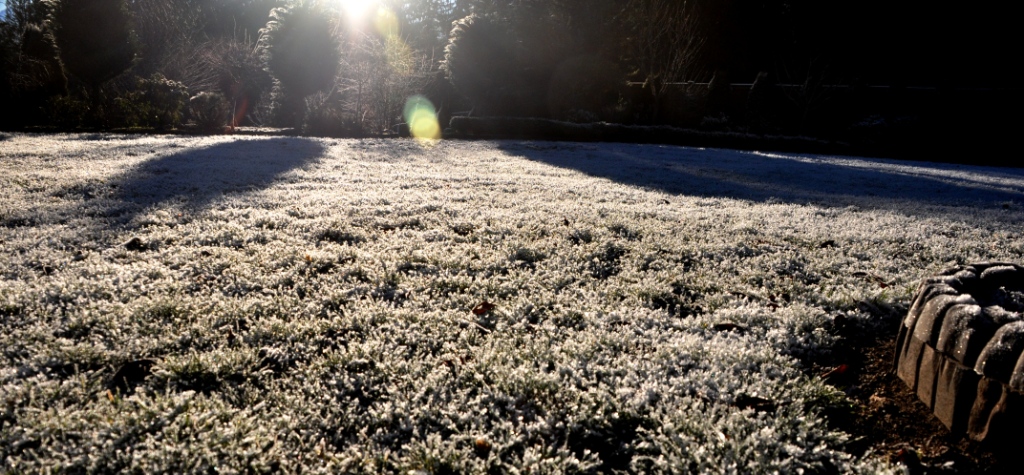
A bit chilly up here in the great Northwest so the wildlife has been laying low. But I like the ice so here’s some New Years cheer with a crystal view:
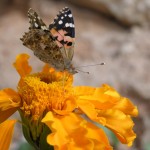
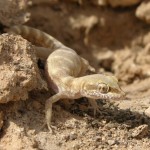
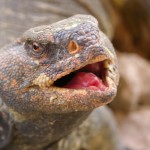
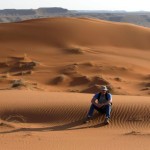
From time to time our Northwest winters can make you forget that there actually is a sun out there. Enjoy a few views from the sunny Saudi Arabian desert just so you can remember what heat, light, and sand look like:
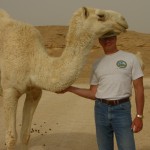
An enormous variety of insects and surprisingly colorful invertebrates inhabit the desert; it’s not all camel spiders and scorpions. Lizards rule the day, of course (and the night for that matter). And what would a glimpse of Saudi be like without the obligatory camel and sand dune photo?